
Blog
What Is Dojen Moe? Simple Guide to This Cute Anime Art Style

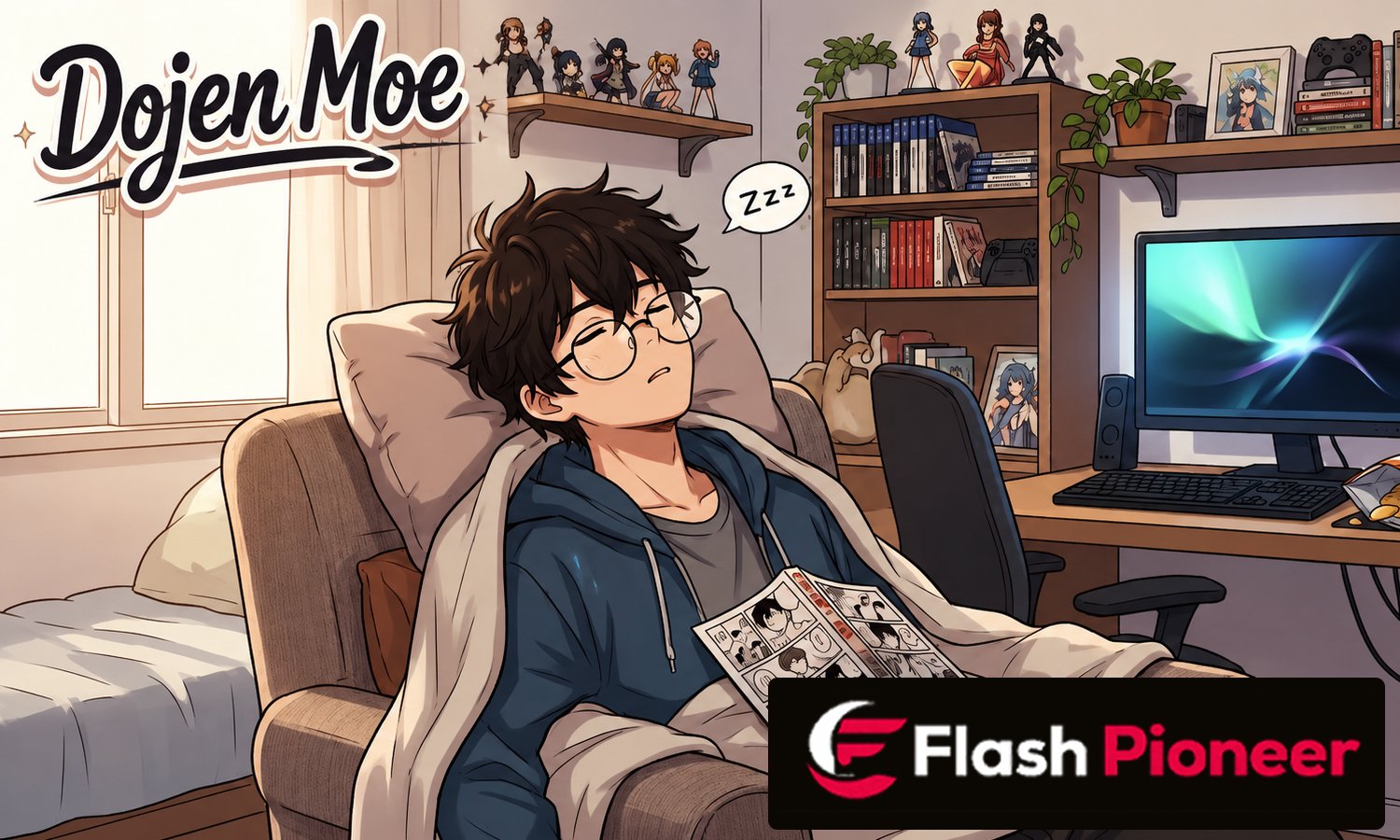
Have you ever seen a piece of anime fan art that made you feel warm inside? Maybe it showed a shy character sitting by a window, or two friends sharing an umbrella in the rain. That quiet, cozy feeling you got is exactly what Dojen Moe is all about.
In this guide, you will learn everything you need to know about Dojen Moe. What does it mean? Where did it come from? Why do so many people love it? And how can you start creating this style yourself? Let us break it all down in simple, easy words.
What Is Dojen Moe?
Dojen Moe is a creative style in anime and digital art that focuses on cute characters and emotional storytelling. It comes from two Japanese ideas put together.
The first part, Doujin (sometimes spelled Dojen), means self-published or fan-made work. This includes manga, illustrations, short comics, and stories that fans create on their own, outside of big anime studios.
The second part, Moe, describes a warm, soft feeling that people get when they see a cute or lovable fictional character. It is the feeling that makes you want to protect someone or just smile when you look at them.
So when you put them together, Dojen Moe means fan-made creative art that gives you that warm, affectionate feeling. It focuses on small emotional moments, soft visuals, and characters you truly care about.
This style is not about big action scenes or complex storylines. It is about a shy smile, a quiet afternoon, a small act of kindness between friends. These tiny moments carry big feelings.
Where Did Dojen Moe Come From?
To understand Dojen Moe, you need to look at the history of Japanese fan culture.
The Birth of Doujin Culture
Back in the 1970s and 1980s, anime and manga fans in Japan began creating their own stories and illustrations. They wanted to share their love for their favorite characters in their own way. So they started making self-published booklets called doujinshi.
In 1975, a big event called Comic Market, or Comiket, started in Tokyo. It became one of the largest fan gatherings in the world, with hundreds of thousands of creators and fans attending every year. Comiket gave independent artists a place to sell and share their work directly with other fans. This event helped doujin culture grow into something massive.
The Rise of Moe
At the same time, the word “moe” started becoming popular in Japanese fan communities during the late 1980s and 1990s. Anime series like Sailor Moon and Neon Genesis Evangelion featured characters whose gentle, emotional personalities made fans feel deeply attached to them.
Fans began using the word “moe” to describe that specific feeling of warmth and affection for fictional characters. It was not just about the character looking cute. It was about how the character made you feel.
When They Came Together
By the early 2000s, independent artists started mixing both ideas. They created their own fan art and comics using moe character designs and emotional storytelling. That mix is what grew into what we now call Dojen Moe.
The internet helped this style spread quickly. Platforms like Pixiv, which launched in 2007, gave artists from all over the world a place to share their work. Today, you can find Dojen Moe art on Instagram, TikTok, Tumblr, X (formerly Twitter), and many art forums online.
What Does Dojen Moe Look Like?
One of the best things about this style is that you can recognize it almost right away once you know what to look for.
Big, Expressive Eyes
Characters in Dojen Moe usually have large, soft eyes that show a lot of emotion. Just by looking at their eyes, you can tell if a character is happy, sad, nervous, or daydreaming. The eyes carry the whole emotional story.
Soft Colors
Artists often use pastel colors like light pink, pale blue, mint green, and soft yellow. These colors make the artwork feel calm and comfortable, like a warm afternoon.
Gentle Lines
Instead of sharp, bold outlines, Dojen Moe uses soft and thin lines. This gives the characters a delicate, gentle look that matches the emotional mood of the style.
Simple Backgrounds
Many Dojen Moe illustrations have minimal backgrounds, perhaps just a soft gradient, a cozy room, or a simple outdoor setting. The focus stays on the character and their feeling, not on a busy environment.
Quiet, Everyday Scenes
The situations in Dojen Moe art are simple. A character reading a book. Two friends sharing a snack. Someone walking alone in the rain. These small moments feel real and relatable. That is exactly the point.
Why Do People Love Dojen Moe?
There are several reasons why this style has become so popular around the world.
It Feels Personal
Dojen Moe art is usually made by independent artists who truly care about what they create. It does not feel like it came from a big studio trying to sell a product. It feels like something made with heart. Fans connect with that honesty.
It Offers Comfort
In a world that is often stressful and fast-moving, Dojen Moe offers a peaceful escape. The soft colors, the quiet scenes, and the lovable characters create a calming effect. Many people look at this art to relax and feel better.
It Triggers Nostalgia
For many fans who grew up watching anime and reading manga, Dojen Moe brings back good memories. Seeing these familiar art styles takes them back to simpler, happier times. That emotional connection makes the art feel even more meaningful.
It Is Relatable
The characters in Dojen Moe often show ordinary human feelings. They get nervous. They feel lonely sometimes. They enjoy small things. This makes them feel like real people, not just drawings. And when art feels real, people connect with it deeply.
How Is Dojen Moe Different from Other Anime Styles?
People sometimes confuse Dojen Moe with other anime art styles. Here is a simple comparison.
Dojen Moe vs. Kawaii: Kawaii means “cute” in Japanese and covers a very wide range of cute things, from characters to food to fashion. Dojen Moe is more specific. It focuses on emotional storytelling and fan-made creativity, not just cuteness.
Dojen Moe vs. Regular Moe: Regular moe is more of a feeling or a character trait. Dojen Moe combines that feeling with the independent, fan-driven spirit of doujin culture. It is about creating art with heart.
Dojen Moe vs. Mainstream Anime: Mainstream anime is made by professional studios with big budgets. Dojen Moe is created by independent artists and fans. The tone is more personal, emotional, and creative.
Dojen Moe vs. Doujinshi: Doujinshi is any self-published fan work, including action stories, comedy, romance, and more. Dojen Moe is specifically the part of doujin culture that focuses on emotional, moe-style character art and storytelling.
How Has Social Media Helped Dojen Moe Grow?
The internet changed everything for this art style.
Before social media, a fan artist could only share their work at events like Comiket or through small printed booklets. Now, a single illustration can reach thousands of people in just a few hours.
Platforms like Instagram, TikTok, Tumblr, and X have made it easy for Dojen Moe artists to build communities. Hashtags help people discover new art. Artists run themed challenges, collaborate on shared projects, and give each other feedback directly.
One interesting fact is that Google searches for “Dojen Moe” reportedly spiked by around 300% in recent years. This shows how fast the interest in this style is growing. TikTok and Instagram especially have played a big role in introducing this aesthetic to younger audiences worldwide.
The Global Reach of Dojen Moe
What started as a Japanese fan culture movement has now become a truly global creative style.
Artists from the United States, Brazil, South Korea, the Philippines, and many other countries now create Dojen Moe inspired art. Some mix the visual language of Dojen Moe with their own local stories, cultural references, and personal experiences.
University art groups in different countries organize themed illustration events where students create artwork inspired by this style. Characters sitting in cozy bedrooms, studying late at night, or walking through quiet city streets have become common and beloved subjects.
Even anime studios and manga publishers have started paying attention to the emotional aesthetic that independent Dojen Moe artists have been developing. The influence is flowing from the fan community into mainstream entertainment.
How to Start Creating Dojen Moe Art
If you feel inspired and want to try this style yourself, here are some simple steps to get started.
Start with character design. Begin by drawing a simple character with large, expressive eyes and a gentle face. You do not need to be a professional. Many Dojen Moe artists started with basic sketches.
Choose soft colors. Pick a pastel color palette. Light pinks, soft blues, and warm yellows work very well for this style.
Focus on small emotional moments. Instead of drawing a big dramatic scene, think of a quiet everyday situation. A character looking out of a window, or holding a warm cup of tea.
Keep the background simple. You do not need a complicated background. A soft gradient or a minimal setting works perfectly.
Share your work online. Join art communities on Instagram, Tumblr, or DeviantArt. Share your illustrations and connect with other artists who enjoy this style.
Engage with the community. Participate in themed art challenges and give feedback to other creators. The community is one of the best things about Dojen Moe culture.
The Future of Dojen Moe
Dojen Moe is still growing. As more people discover this warm and emotional art style, the community keeps expanding.
Some creators are even exploring how new technologies like virtual reality and augmented reality could bring Dojen Moe characters into more interactive experiences. Imagine walking through an emotional story instead of just looking at a still image.
The influence of this style on mainstream animation, video games, and merchandise is also growing stronger. More game developers, especially those who make visual novels and slice-of-life games, are using moe-inspired character designs to build emotional connections with players.
One thing seems certain. As long as people want art that feels personal, warm, and emotionally honest, Dojen Moe will have a place in creative culture.
Final Thoughts
Dojen Moe is more than just a cute art trend. It is a creative movement built by fans, powered by genuine emotion, and shared across the world through online communities.
It started with Japan’s long tradition of fan-made doujin culture and the emotional warmth of moe character design. It grew through the internet, social media, and the passion of independent artists who wanted to create something personal and honest.
Whether you are a longtime anime fan or someone just discovering this style for the first time, Dojen Moe offers something special. It reminds us that the quietest, smallest moments in life can hold the most powerful feelings. And that art does not need to be loud or dramatic to make a lasting impact.
10 Frequently Asked Questions About Dojen Moe
1. What does Dojen Moe mean? Dojen Moe combines two Japanese ideas. “Dojen” comes from doujin, which means self-published or fan-made work. “Moe” describes the warm, affectionate feeling people get when they see cute or lovable fictional characters. Together, Dojen Moe refers to fan-made art that focuses on emotional connection and soft, cute character design.
2. Is Dojen Moe an official anime genre? Not exactly. It is not an official genre recognized by major anime studios. It is more of a creative style and mindset that grew out of fan culture. Think of it as a community-driven aesthetic rather than a formal category.
3. Who can create Dojen Moe art? Anyone can. This style is not limited to professional artists or Japanese creators. Beginners from any country can start with simple character sketches and build their skills over time. The community welcomes creators of all levels.
4. Is Dojen Moe the same as kawaii? No. Kawaii means “cute” in Japanese and is a very broad concept. Dojen Moe is more specific. It combines cuteness with emotional storytelling and the independent spirit of fan-made creativity.
5. Where can I find Dojen Moe art online? You can find it on platforms like Instagram, TikTok, Tumblr, X (formerly Twitter), DeviantArt, and Pixiv. Searching hashtags related to Dojen Moe, moe art, or doujin art will help you discover many creators.
6. Why do people feel so connected to Dojen Moe characters? Because the characters often reflect real human emotions in a gentle and honest way. They show shyness, loneliness, joy, and warmth. This makes them feel relatable. Humans naturally connect with things that mirror their own feelings.
7. Is Dojen Moe only about romantic or adult content? No. While doujinshi as a whole can include many types of content, Dojen Moe as a creative style focuses on emotional, wholesome storytelling. It can include friendship, daily life, personal growth, and quiet moments. It is not defined by adult themes.
8. What tools do artists use to create Dojen Moe art? Many artists use digital drawing software like Procreate, Clip Studio Paint, or Adobe Photoshop. Some still create traditional art with pencils and watercolors before scanning it. There is no single required tool. The style matters more than the medium.
9. How did Dojen Moe spread outside of Japan? The internet played the biggest role. Platforms like Pixiv, Instagram, and TikTok allowed artists worldwide to discover and share this style instantly. Global streaming services also introduced more people to anime and moe aesthetics, which helped Dojen Moe reach new audiences.
10. Will Dojen Moe continue to grow in the future? Very likely yes. The emotional, authentic nature of this style appeals to people who want art that feels genuine rather than commercial. As digital art tools become easier to use and online communities keep growing, more creators will continue to explore and expand this style.
Stay connected for the latest news and updates on, Flash Pioneer

How UK Businesses With Offshore Interests Can Stay HMRC Compliant

Smart Online Shopping: 10 Ways to Save Money on Every Purchase

Who Is Royce Beckly Adkins? The Life and Story of Sinbad’s Son

What Is Snokido? A Simple Guide to Free Online Games and Popular Features

Gimkit Host Explained: How to Start and Run a Successful Live Game

Who Is Elizabeth Hatcher-Travis? The Life and Story of Randy Travis’ Ex-Wife

Who Is Talita Roberta Pereira? The Life, Family, and Story of Charles Oliveira’s Wife

i’m a skincare beginner. is nivea a good starting brand compared to garnier?

Who Is Isaiah Rahsaan Iverson? The Life and Story of Allen Iverson’s Son

Laura Marie Holtzmann: Simple Life Story of Joyce Meyer’s Daughter in Easy Words
How UK Businesses With Offshore Interests Can Stay HMRC Compliant
Smart Online Shopping: 10 Ways to Save Money on Every Purchase
Who Is Royce Beckly Adkins? The Life and Story of Sinbad’s Son
What Is Snokido? A Simple Guide to Free Online Games and Popular Features
Gimkit Host Explained: How to Start and Run a Successful Live Game
Who Is Elizabeth Hatcher-Travis? The Life and Story of Randy Travis’ Ex-Wife
Who Is Talita Roberta Pereira? The Life, Family, and Story of Charles Oliveira’s Wife
i’m a skincare beginner. is nivea a good starting brand compared to garnier?
Who Is Isaiah Rahsaan Iverson? The Life and Story of Allen Iverson’s Son
Laura Marie Holtzmann: Simple Life Story of Joyce Meyer’s Daughter in Easy Words
-

 Celebrity6 months ago
Who Is Vanna Bardot (Vanna Bardeau)? Easy Story of Her Life and Career
-
 Celebrity4 months ago
Who Is Talita Roberta Pereira? The Life, Family, and Story of Charles Oliveira’s Wife
-

 Food4 months ago
Best Arroz con Leche Boliviano Near Me: Where to Find This Creamy Bolivian Dessert Near You
-

 Tech5 months ago
Droven.io Tech Education Trends: Simple Guide to Modern Learning with AI and Digital Tools