
Blog
Pyntekvister Meaning and Ideas: Simple Guide to Decorative Branches for Home Decor

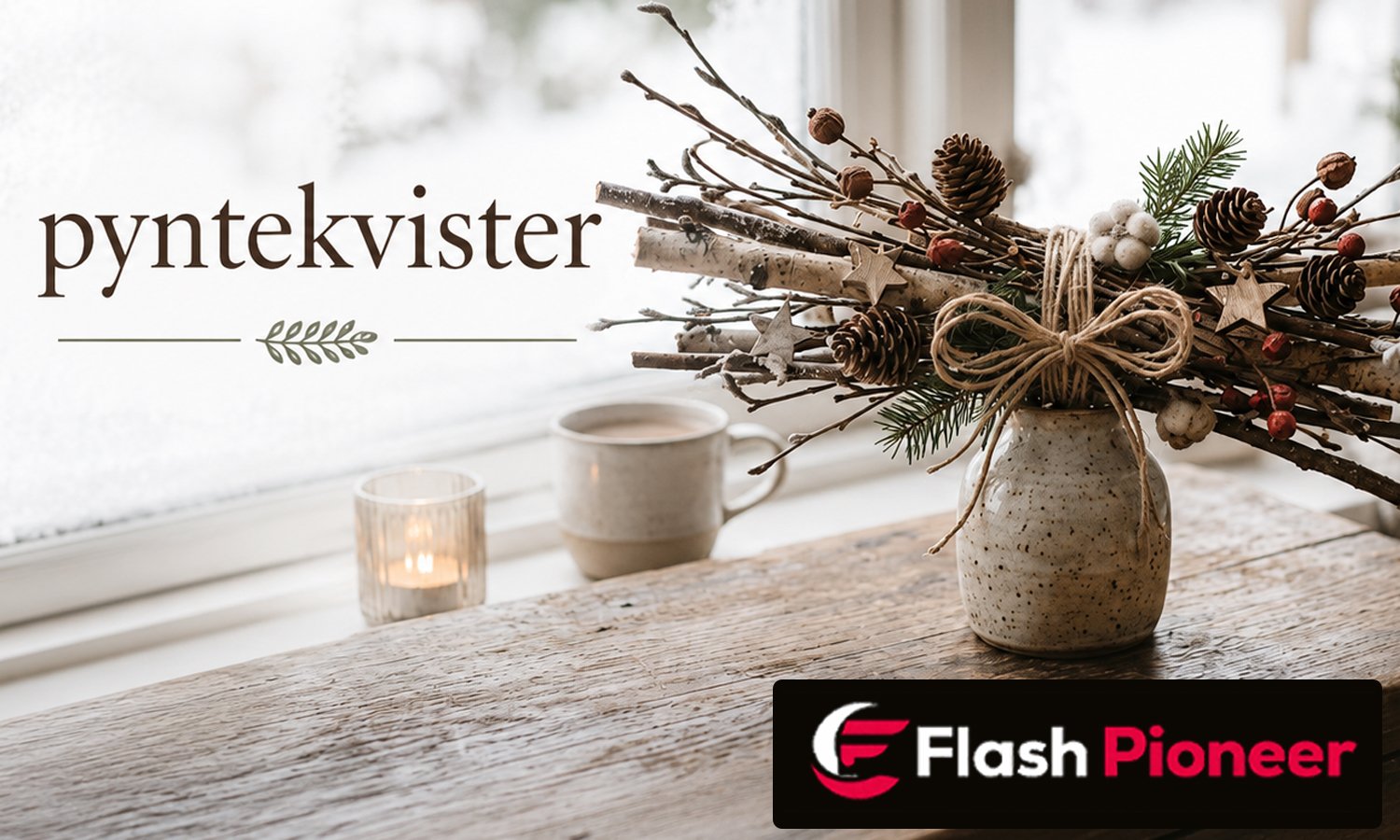
Have you ever walked into a home and noticed a vase full of beautiful branches sitting in the corner? Maybe they had small berries on them, or perhaps they were painted white and placed near a fireplace. Those lovely branches have a name in Danish and Norwegian — they are called pyntekvister.
If you have never heard this word before, do not worry. By the end of this article, you will know exactly what pyntekvister are, where they come from, how people use them, and how you can bring this simple but beautiful idea into your own home.
What Does “Pyntekvister” Mean?
The word “pyntekvister” comes from two Scandinavian words. “Pynte” means “to decorate” or “to make beautiful,” and “kvister” means “branches” or “twigs.” So together, pyntekvister simply means decorative branches.
This is a very popular concept in Denmark, Norway, and Sweden. In these countries, people love to bring nature inside the home. Instead of buying expensive decorations from a store, many Scandinavians simply go outside, pick some branches, and use them to make their homes look warm and cozy.
This idea fits well with the famous Scandinavian lifestyle concept known as “hygge” (pronounced hoo-gah). Hygge is all about creating a comfortable, peaceful, and happy atmosphere at home. And what better way to do that than with natural, simple decorations from the forest or garden?
A Brief History of Using Branches for Decoration
Using branches and plants to decorate homes is not a new idea. People have been doing this for thousands of years across many different cultures.
In ancient times, people used leafy branches and plants to decorate for festivals and celebrations. In winter, when most plants were dead, evergreen branches like pine and holly were seen as symbols of life and hope. This is why we still use pine branches and holly at Christmas time today.
In Scandinavian countries, the tradition of bringing natural elements inside the home has been part of everyday life for centuries. Farmers and villagers would cut branches from trees and use them as decorations, especially during the long, dark winter months when people needed something to brighten up their homes.
Over time, this simple tradition turned into something more artistic and creative. Today, pyntekvister are not just about using any old branch. People carefully choose branches based on their shape, color, and texture to create beautiful arrangements.
Types of Branches Commonly Used as Pyntekvister
One of the great things about pyntekvister is that you have many choices. Different types of branches give different looks and feelings. Here are some of the most popular ones:
Birch branches are probably the most classic choice for pyntekvister. Their white or silver bark looks very clean and elegant. Birch branches are often used in Scandinavian homes because they match the light, simple style that is so popular in that part of the world.
Pussy willow branches are another favorite, especially in spring. They have small, soft, gray buds that look like tiny balls of cotton. These branches are often placed in tall vases and used to welcome the spring season.
Cherry blossom branches bring a romantic and gentle feeling to a room. When the pink or white flowers bloom on the branches, they look incredibly beautiful. Many people use fake cherry blossom branches so they can enjoy this look all year long.
Eucalyptus branches are very popular right now in home decor. They have a lovely silver-green color and a fresh, calming smell. Eucalyptus can be used fresh or dried, and it looks good in almost any style of home.
Pine and fir branches are classic choices for winter and Christmas decorations. Their dark green color and fresh forest smell make any room feel cozy and festive.
Dried branches and twigs without any leaves can also be very beautiful. Their simple, bare shapes can look very artistic, especially when placed in a tall, simple vase.
Branches with berries are another popular choice. Red berries on dark branches look striking and are often used in autumn and winter decorations.
How to Use Pyntekvister in Your Home
Now that you know what pyntekvister are and what types of branches you can use, let us talk about how to actually use them in your home. The good news is that there are no strict rules. You can be as creative as you like.
In a tall vase: The most common way to use pyntekvister is to place them in a tall vase. A simple glass vase or a ceramic vase works well. You can fill the vase with water if you are using fresh branches, or leave it empty for dried branches. Place the vase on the floor in a corner, on a shelf, or on a dining table.
As a centerpiece: A bundle of branches in a low, wide vase or bowl can make a beautiful centerpiece for a dining table or coffee table. You can add stones, sand, or water to the bottom of the bowl to help hold the branches in place.
On a mantelpiece: If you have a fireplace, placing some branches on the mantelpiece is a lovely idea. Combine branches with candles, small lanterns, or other natural objects like pinecones or stones for a cozy look.
Hanging from the ceiling: This is a more creative option, but it looks amazing. You can tie a few branches together and hang them from the ceiling. Add some dried flowers, ribbons, or small lights to make it even more beautiful.
As a seasonal decoration: One of the best things about pyntekvister is that you can change them with the seasons. In spring, use pussy willow or cherry blossom branches. In summer, use branches with green leaves or wildflowers. In autumn, use branches with colorful leaves or red berries. In winter, use pine branches or bare birch branches.
How to Make Your Pyntekvister Last Longer
If you are using fresh branches, you will naturally want them to last as long as possible. Here are some simple tips to help with that.
First, cut the ends of the branches at an angle before placing them in water. This helps the branch take in more water and stay fresh longer.
Second, change the water in your vase every two to three days. Fresh water prevents bacteria from growing and helps the branches stay healthy.
Third, keep your branches away from direct sunlight and heat sources like radiators. These can dry out the branches very quickly.
If you want decorations that last forever, you can also use dried branches. To dry branches, simply hang them upside down in a warm, dry room for a few weeks. Once they are dry, they will keep their shape and look beautiful for a very long time.
You can also buy artificial branches from home decor stores. These are made from materials like silk or plastic and look very realistic. They are a good option if you want a specific look all year round without having to replace the branches regularly.
Styling Tips for Beautiful Pyntekvister Arrangements
Making a beautiful arrangement with branches is easier than you might think. Here are a few styling tips to help you get started.
Keep it simple. The Scandinavian style is all about simplicity. You do not need many different types of branches in one vase. Sometimes, just two or three branches of the same type look much better than a big, busy arrangement.
Think about height. Tall branches in a tall vase make a strong visual statement. They draw the eye upward and make a room feel taller. Shorter branches in a low vase create a more relaxed, horizontal feel.
Play with color. Natural branches are usually green, brown, white, or silver. But you can also paint branches. White-painted branches look very clean and modern. Gold-painted branches are beautiful for celebrations and holidays. You can even spray branches with any color to match your room decor.
Mix textures. Combining different textures can make your arrangement more interesting. For example, you could mix smooth birch branches with fluffy pussy willow buds, or combine bare twigs with soft dried flowers.
Use the right vase. The vase you choose is just as important as the branches. A tall, clear glass vase shows off the stems and looks modern. A terracotta pot gives a rustic, earthy feel. A white ceramic vase is clean and simple. A dark, matte vase looks dramatic and modern.
Where to Find Branches for Pyntekvister
You might be wondering where to get branches for your pyntekvister. The answer is simpler than you think.
Your own garden is the best place to start. If you have trees or bushes in your garden, you can trim some branches and use them for decoration. This is also good for the plants, as regular trimming helps them grow better.
Parks and forests are another option. In many places, you are allowed to pick up fallen branches from the ground. Just make sure you are not damaging living trees.
Flower shops and garden centers often sell decorative branches. You can find things like cherry blossom branches, pussy willow, and eucalyptus at these stores, especially in spring and winter.
Online shops and home decor stores sell both fresh and artificial branches. This is a good option if you want a specific type of branch that is not available in your area.
Pyntekvister and Sustainability
One of the wonderful things about pyntekvister as a decorating style is that it is very eco-friendly. Instead of buying plastic decorations that end up in the trash, you are using natural, biodegradable materials.
When your branches are no longer beautiful, you can add them to your compost bin or simply put them in your garden waste. They will break down naturally and return to the earth.
If you do use artificial branches, try to choose ones that are well-made and will last for many years. This is much better than buying cheap decorations that break quickly and need to be replaced often.
Choosing natural materials for your home decor is a small but meaningful step toward a more sustainable lifestyle.
Final Thoughts
Pyntekvister is a lovely and simple idea that anyone can try. You do not need to spend a lot of money or have any special skills. All you need is a few branches, a vase, and a little bit of creativity.
Whether you pick branches from your garden, buy them from a flower shop, or find beautiful artificial ones online, pyntekvister can bring a natural, warm, and peaceful feeling to your home.
This simple Scandinavian tradition reminds us that beauty does not have to be complicated or expensive. Sometimes, the most beautiful things are the ones we find in nature, right outside our door.
So next time you go for a walk, look around you. Maybe you will spot the perfect branches for your very first pyntekvister arrangement.Share
Frequently Asked Questions About Pyntekvister
1. What does “pyntekvister” mean in English? Pyntekvister is a Scandinavian word that means “decorative branches” or “ornamental twigs.” The word comes from “pynte” (to decorate) and “kvister” (branches).
2. What types of branches are best for pyntekvister? Birch, pussy willow, eucalyptus, cherry blossom, pine, and dried branches are all popular choices. The best type depends on the season and the style you want to create.
3. Can I use any branch I find outside? Most natural branches can be used, but make sure they are clean and free from insects or disease. It is also important to avoid picking branches from protected trees or private property.
4. How do I keep fresh branches fresh for longer? Cut the ends at an angle, place them in clean water, and change the water every two to three days. Keep them away from direct sunlight and heat.
5. How do I dry branches for long-lasting decorations? Hang the branches upside down in a warm, dry room for two to four weeks. Once dry, they will keep their shape and can be used for a very long time.
6. Can I paint branches for decoration? Yes, absolutely. White, gold, and silver are popular colors for painted branches. You can use spray paint for an even finish. Painted branches look especially beautiful during the holiday season.
7. What kind of vase should I use for pyntekvister? This depends on the style you want. Tall glass vases work well for long branches. Ceramic or terracotta pots give a more rustic look. Wide, low bowls are good for short arrangements used as centerpieces.
8. Are artificial branches a good option? Yes, artificial branches are a great option if you want a specific look all year round. Choose good-quality ones that look realistic and will last for many years.
9. Is pyntekvister only a Scandinavian tradition? The word itself is Scandinavian, but the idea of using decorative branches at home is popular all over the world. Many different cultures have their own traditions of using natural branches and plants for decoration.
10. How can I make my pyntekvister arrangement look professional? Keep it simple, choose branches that complement each other in color and texture, pick the right vase, and think about height and balance. Sometimes, less is more. A few well-chosen branches in a beautiful vase can look more impressive than a large, overcrowded arrangement.
Stay connected for the latest news and updates on, Flash Pioneer

How UK Businesses With Offshore Interests Can Stay HMRC Compliant

Smart Online Shopping: 10 Ways to Save Money on Every Purchase

Who Is Royce Beckly Adkins? The Life and Story of Sinbad’s Son

What Is Snokido? A Simple Guide to Free Online Games and Popular Features

Gimkit Host Explained: How to Start and Run a Successful Live Game

Who Is Elizabeth Hatcher-Travis? The Life and Story of Randy Travis’ Ex-Wife

Who Is Talita Roberta Pereira? The Life, Family, and Story of Charles Oliveira’s Wife

i’m a skincare beginner. is nivea a good starting brand compared to garnier?

Who Is Isaiah Rahsaan Iverson? The Life and Story of Allen Iverson’s Son

Laura Marie Holtzmann: Simple Life Story of Joyce Meyer’s Daughter in Easy Words
How UK Businesses With Offshore Interests Can Stay HMRC Compliant
Smart Online Shopping: 10 Ways to Save Money on Every Purchase
Who Is Royce Beckly Adkins? The Life and Story of Sinbad’s Son
What Is Snokido? A Simple Guide to Free Online Games and Popular Features
Gimkit Host Explained: How to Start and Run a Successful Live Game
Who Is Elizabeth Hatcher-Travis? The Life and Story of Randy Travis’ Ex-Wife
Who Is Talita Roberta Pereira? The Life, Family, and Story of Charles Oliveira’s Wife
i’m a skincare beginner. is nivea a good starting brand compared to garnier?
Who Is Isaiah Rahsaan Iverson? The Life and Story of Allen Iverson’s Son
Laura Marie Holtzmann: Simple Life Story of Joyce Meyer’s Daughter in Easy Words
-

 Celebrity5 months ago
Who Is Vanna Bardot (Vanna Bardeau)? Easy Story of Her Life and Career
-
 Celebrity3 months ago
Who Is Talita Roberta Pereira? The Life, Family, and Story of Charles Oliveira’s Wife
-

 Food4 months ago
Best Arroz con Leche Boliviano Near Me: Where to Find This Creamy Bolivian Dessert Near You
-

 Tech5 months ago
Droven.io Tech Education Trends: Simple Guide to Modern Learning with AI and Digital Tools