
Health
Is NIVEA Safe During Pregnancy? Simple Guide Comparing Burt’s Bees and Mustela Skincare

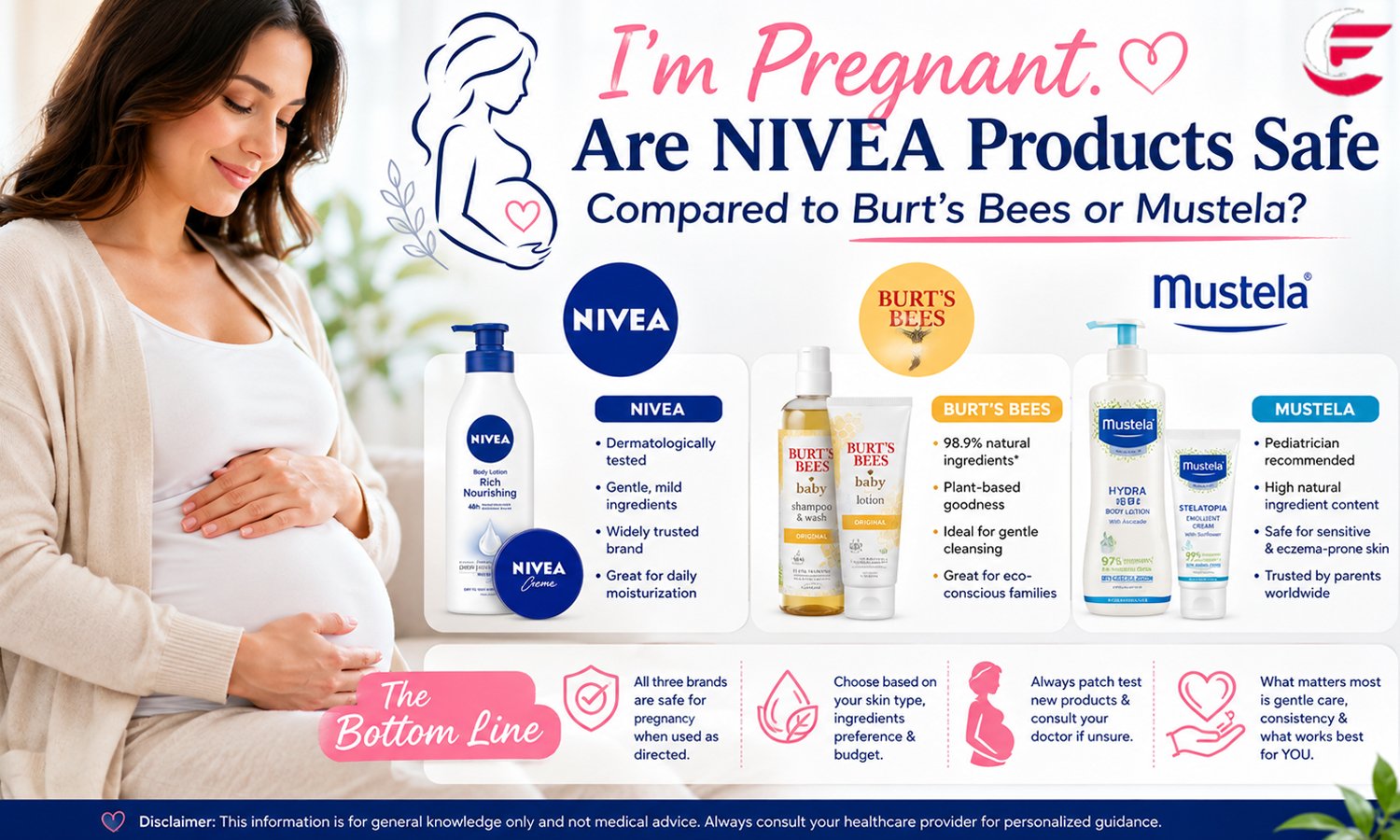
Pregnancy changes a lot of things, and your skin is one of them. Many women notice new dryness, itching, or sensitivity once they are expecting a baby. Because of this, a common question comes up again and again: is NIVEA safe to use during pregnancy, and how does it compare to brands like Burt’s Bees and Mustela?
The good news is that most basic skincare products from all three brands are safe for daily use. But “most” does not mean “all.” Some products contain ingredients that doctors usually tell pregnant women to avoid. This guide will walk you through what is generally fine, what needs a closer look, and how these three popular brands compare.
Why Pregnancy Changes How You Think About Skincare
During pregnancy, your skin can become more reactive than before. Hormone changes can lead to dryness, acne, dark patches, or itchy skin on the belly and other areas. Many women also become more careful about what they put on their skin because some ingredients can pass through the skin into the bloodstream in small amounts.
This does not mean every cream is dangerous. It simply means it is smart to know which ingredients to watch for, no matter which brand you choose.
Ingredients Pregnant Women Are Usually Told to Avoid
Before comparing brands, it helps to know the main ingredients that doctors and skin experts often recommend avoiding or limiting during pregnancy:
- Retinoids (retinol, retinyl palmitate, and similar forms of vitamin A) – linked to concerns about birth defects in high doses, so most experts say to skip them.
- Hydroquinone – a skin-lightening ingredient with limited safety information for pregnancy, so it is usually avoided.
- High-strength salicylic acid – low amounts in face wash are usually considered fine, but strong leave-on peels are not recommended.
- Certain chemical sunscreen filters, such as oxybenzone, which some experts suggest swapping for mineral filters like zinc oxide or titanium dioxide.
- Strong essential oils, which can sometimes irritate sensitive pregnancy skin or are advised against in large amounts.
Once you know these few ingredients, checking any product becomes much easier. You do not need to memorise long chemical names. You just need to scan for these specific items.
Is NIVEA Safe During Pregnancy?
NIVEA is a very common, affordable skincare brand, and most of its core products are considered safe for pregnant women. The classic NIVEA Creme, body lotions, and basic moisturizers are simple formulas built around glycerin, mineral oil, petrolatum, and similar ingredients. None of these are on the list of ingredients to avoid.
Mineral oil sometimes gets a bad reputation online, but cosmetic-grade mineral oil used in skincare is purified and considered safe for topical use. It works mainly to seal in moisture on the surface of the skin, and it is not absorbed deeply into the body.
Here is what to keep in mind with NIVEA:
Generally fine: Classic NIVEA Creme (the blue tin), basic body lotions, simple moisturizing creams, and most everyday cleansers.
Worth checking carefully: NIVEA also sells anti-aging and brightening products. These lines sometimes include retinol or other strong actives. Some sunscreens in the range use chemical filters such as oxybenzone or octocrylene, so it is worth picking the mineral sunscreen options where possible.
Fragrance note: Many NIVEA products contain added fragrance. Fragrance itself is not considered unsafe in pregnancy, but some women’s skin becomes more sensitive to scented products while pregnant, so fragrance-free versions can feel gentler.
The simple rule with NIVEA is this: classic, simple moisturizers are almost always fine, but specialty anti-aging or brightening products need a quick label check.
How Does Burt’s Bees Compare?
Burt’s Bees built its name on natural and plant-based ingredients. It avoids many synthetic chemicals, and the brand even has a dedicated “Mama Bee” line made for pregnant women, with belly butter and other products designed for changing skin.
But there is an important point that many people miss: natural does not always mean risk-free. Some plant extracts and essential oils can still irritate skin, especially during pregnancy when skin tends to be more reactive. A product being “natural” is not the same as a doctor confirming it is safe for every ingredient in every situation.
Here is a simple breakdown:
Generally fine: The Mama Bee line, including belly butter and basic lotions, since these are formulated with pregnancy in mind.
Worth checking carefully: Some Burt’s Bees products outside the Mama Bee line may include essential oils or low levels of salicylic acid. These are usually fine in small amounts, but it is still worth a quick look at the label, especially for facial treatments.
The takeaway here is that “natural” branding is a nice starting point, but it does not remove the need to check ingredients.
How Does Mustela Compare?
Mustela is a brand built specifically around babies, mothers, and pregnancy. Because of this focus, most of its products are designed from the start with pregnancy-safe formulas in mind, especially the stretch mark creams, body oils, and belly serums that are clearly marketed for expecting mothers.
If your main goal is stretch mark prevention or care, or you want a full skincare routine built specifically for pregnancy, many women find Mustela to be a strong and convenient choice, since the brand already does a lot of the ingredient-checking work for you.
That said, even with a pregnancy-focused brand, it is still smart not to assume every single product across the whole range is automatically safe. Always glance at the ingredient list, particularly for any treatment-style products meant for specific skin concerns like dark spots.
Nivea vs Burt’s Bees vs Mustela: Quick Comparison
| Feature | NIVEA | Burt’s Bees | Mustela |
|---|---|---|---|
| Main focus | General skincare for everyone | Natural, plant-based skincare | Pregnancy and baby skincare |
| Price | Budget-friendly | Mid-range | Higher-priced |
| Pregnancy-specific line | Limited | Mama Bee line | Full pregnancy range |
| Best for | Everyday moisturizing | Natural ingredient preference | Stretch marks and full pregnancy routine |
| What to check | Anti-aging or brightening products | Essential oils, non-Mama Bee items | Treatment products for specific concerns |
No single brand is automatically the “best” choice. NIVEA is great for simple, affordable daily care. Burt’s Bees suits women who prefer plant-based formulas. Mustela is ideal if you want a routine built specifically around pregnancy, especially for stretch marks.
How to Check Any Product Yourself
You do not need to be a chemist to feel confident about your skincare choices. A simple three-step check works well:
- Scan the ingredient list for retinol, retinoids, hydroquinone, or high-strength salicylic acid.
- Check sunscreens for the active filter. Mineral filters like zinc oxide and titanium dioxide are usually the safer pick.
- When in doubt, ask your doctor or midwife. They know your personal health history and can give advice that fits your situation.
Keeping your skincare routine simple during pregnancy also helps. Using fewer products means there are fewer ingredients to think about, and it lowers the chance of irritation at a time when your skin may already be more sensitive than usual.
Final Thoughts
So, is NIVEA safe during pregnancy compared to Burt’s Bees and Mustela? In most everyday cases, yes. NIVEA’s classic moisturizers, Burt’s Bees basic and Mama Bee products, and Mustela’s pregnancy-focused range are all generally considered safe for daily use. The real difference between the brands is not about safety alone, but about price, ingredient philosophy, and how specifically the product was designed for pregnancy.
The most important habit is checking the ingredient list of the specific product you plan to use, rather than trusting a brand name alone. If you keep your routine simple, watch out for the few key ingredients to avoid, and talk to your healthcare provider when you are unsure, you can feel confident caring for your skin throughout your pregnancy.
Frequently Asked Questions
1. Is NIVEA Creme safe to use every day during pregnancy?
Yes, in most cases. Classic NIVEA Creme uses simple ingredients like glycerin and petrolatum, without retinoids or strong acids, so it is generally fine for daily use.
2. Can I use NIVEA sunscreen while pregnant?
Many NIVEA sunscreens use chemical filters such as oxybenzone, which some experts suggest limiting. Where possible, choosing a mineral sunscreen with zinc oxide or titanium dioxide is a gentler option.
3. Is Burt’s Bees Mama Bee line actually made for pregnancy?
Yes, the Mama Bee line is specifically formulated with pregnant and nursing women in mind, including belly butter and body lotions.
4. Does “natural” mean a product is automatically safe in pregnancy?
No. Natural ingredients can still cause irritation or sensitivity, especially since pregnancy can make skin more reactive. It is still worth checking the label.
5. Why is Mustela often recommended for stretch marks?
Mustela built its brand around mothers and babies, so many of its stretch mark creams and body oils are designed specifically with pregnancy-safe ingredients from the start.
6. Is mineral oil in NIVEA products dangerous?
No. Cosmetic-grade mineral oil used in skincare is purified and is considered safe for topical use during pregnancy. It mainly works to lock in moisture.
7. Should I avoid all anti-aging creams during pregnancy?
Not all, but you should check the label carefully. Many anti-aging products contain retinol or retinyl palmitate, which are usually recommended to avoid during pregnancy.
8. Can fragrance in lotions harm my baby?
Fragrance is not classified as unsafe during pregnancy, but some women develop higher skin sensitivity and may prefer fragrance-free products simply for comfort.
9. Is salicylic acid in face wash safe during pregnancy?
Low concentrations found in everyday cleansers are generally considered fine. Stronger leave-on treatments or peels with high salicylic acid are usually the ones to avoid.
10. What should I do if I am unsure about a specific product?
Check the ingredient list for the few key ingredients mentioned in this guide, and if you are still unsure, ask your doctor or midwife. They can give advice based on your personal health needs.
Stay connected for the latest news and updates on, Flash Pioneer

How UK Businesses With Offshore Interests Can Stay HMRC Compliant

Smart Online Shopping: 10 Ways to Save Money on Every Purchase

Who Is Royce Beckly Adkins? The Life and Story of Sinbad’s Son

What Is Snokido? A Simple Guide to Free Online Games and Popular Features

Gimkit Host Explained: How to Start and Run a Successful Live Game

Who Is Elizabeth Hatcher-Travis? The Life and Story of Randy Travis’ Ex-Wife

Who Is Talita Roberta Pereira? The Life, Family, and Story of Charles Oliveira’s Wife

i’m a skincare beginner. is nivea a good starting brand compared to garnier?

Who Is Isaiah Rahsaan Iverson? The Life and Story of Allen Iverson’s Son

Laura Marie Holtzmann: Simple Life Story of Joyce Meyer’s Daughter in Easy Words
How UK Businesses With Offshore Interests Can Stay HMRC Compliant
Smart Online Shopping: 10 Ways to Save Money on Every Purchase
Who Is Royce Beckly Adkins? The Life and Story of Sinbad’s Son
What Is Snokido? A Simple Guide to Free Online Games and Popular Features
Gimkit Host Explained: How to Start and Run a Successful Live Game
Who Is Elizabeth Hatcher-Travis? The Life and Story of Randy Travis’ Ex-Wife
Who Is Talita Roberta Pereira? The Life, Family, and Story of Charles Oliveira’s Wife
i’m a skincare beginner. is nivea a good starting brand compared to garnier?
Who Is Isaiah Rahsaan Iverson? The Life and Story of Allen Iverson’s Son
Laura Marie Holtzmann: Simple Life Story of Joyce Meyer’s Daughter in Easy Words
-

 Celebrity5 months ago
Who Is Vanna Bardot (Vanna Bardeau)? Easy Story of Her Life and Career
-
 Celebrity3 months ago
Who Is Talita Roberta Pereira? The Life, Family, and Story of Charles Oliveira’s Wife
-

 Food4 months ago
Best Arroz con Leche Boliviano Near Me: Where to Find This Creamy Bolivian Dessert Near You
-

 Tech5 months ago
Droven.io Tech Education Trends: Simple Guide to Modern Learning with AI and Digital Tools