News
Delta Flight DL275 Diverted to LAX: Simple Guide to What Happened and Why It Landed Early

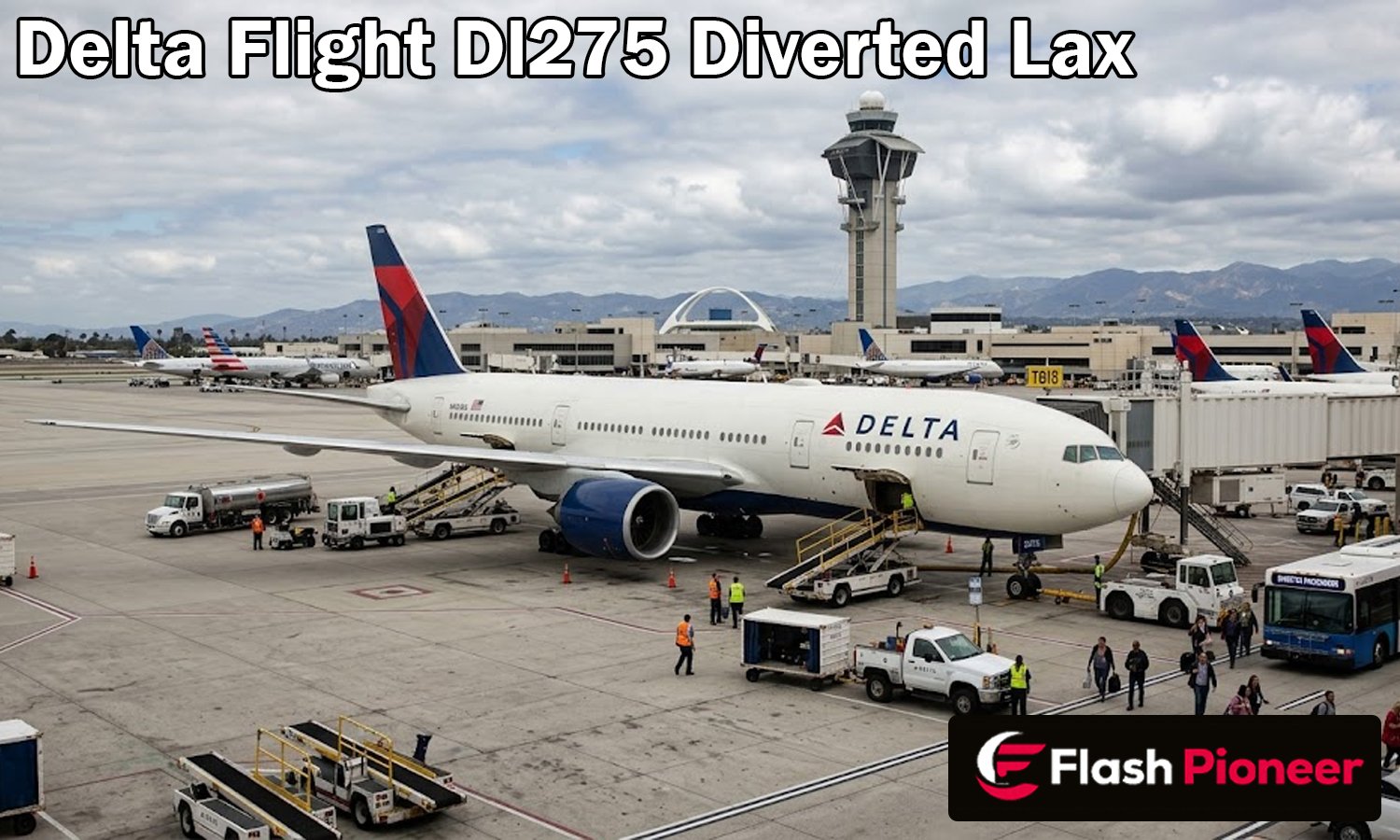
Air travel is usually smooth and calm. But sometimes, things go wrong in the middle of the sky. That is exactly what happened on May 28, 2025, when Delta Flight DL275 had to make a sudden stop at Los Angeles International Airport (LAX) instead of reaching its final destination in Tokyo, Japan.
If you heard about this flight and want to understand what really happened, why the plane landed in Los Angeles, and what it means for passengers, you are in the right place. This guide explains everything in simple words so anyone can understand.
What Is Delta Flight DL275?
Delta Flight DL275 is a long-distance flight that connects two major cities: Detroit in the United States and Tokyo in Japan. The full route goes from Detroit Metropolitan Wayne County Airport (DTW) to Tokyo Haneda Airport (HND).
This is a popular route for people who travel between the US and Japan for business or vacation. The flight is very long because it crosses the Pacific Ocean, which means pilots and crew need to be extra careful about safety the whole time.
The aircraft used for this route is an Airbus A350-900. This is one of the most modern and advanced passenger planes in the world. It runs on two powerful engines called Rolls-Royce Trent XWB, which are known for being reliable and efficient.
When Did the Diversion Happen?
The flight took off from Detroit on May 27, 2025, at 3:53 PM local time. There was already a small delay before takeoff because the plane had arrived late from Amsterdam. But passengers expected the rest of the trip to go as planned.
However, while flying over the North Pacific Ocean at an altitude of 38,000 feet, something went wrong with the aircraft. The pilots noticed a problem and had to make a quick and careful decision. Instead of continuing to Japan or going back to Detroit, they chose to fly to Los Angeles.
The plane landed safely at LAX on May 28, 2025, at 1:08 AM. The total time in the air was about 12 hours and 15 minutes. While that sounds long, the crew managed the situation calmly and professionally the whole time.
What Caused the Diversion?
The main reason for the diversion was a fault in the engine anti-ice system. This is a system that stops ice from forming on the engines when the plane flies at very high altitudes where temperatures are extremely cold.
Ice on an engine is a serious problem. It can affect how the engine works and may cause it to lose power. On a flight over the Pacific Ocean, where there are no airports nearby for hundreds or even thousands of miles, this kind of problem must be dealt with immediately.
The anti-ice system failure did not mean the engine stopped working completely. The plane was still flying. But the rules of aviation safety are very clear: if a safety system is not working properly, the crew must take action right away. Continuing to Japan with this problem was not the right choice.
So the pilots made a professional decision. They reported the issue to ground control, followed all the proper safety steps, and turned the plane toward Los Angeles.
Why Did the Plane Land at LAX and Not Somewhere Else?
This is a question many people ask. Why Los Angeles? Why not Seattle, which is closer? Why not go back to Detroit?
The answer is simple: LAX was the best and safest option at that moment.
Here are the main reasons why Los Angeles was chosen:
Delta’s Hub Airport: LAX is one of Delta’s major hub airports. This means Delta has a large team of staff, mechanics, and resources there at all times. It is much easier to fix a plane and take care of passengers at a hub airport than at a smaller airport.
Airbus A350 Maintenance: LAX has facilities that are certified to work on the Airbus A350. Not every airport can fix this type of aircraft. The right tools and trained engineers were available in Los Angeles.
Rolls-Royce Engine Support: The Rolls-Royce Trent XWB engine that had the problem requires specific spare parts and experts. LAX has 24-hour Rolls-Royce engine support. This means engineers were ready to look at the engine as soon as the plane landed.
Good Weather: Los Angeles has warm, dry weather most of the time. This is helpful when dealing with an ice-related engine issue. Landing in a cold or icy location would not have made things easier.
Long Runways: LAX has long runways that can handle heavy planes. A long-haul flight like DL275 was carrying a lot of fuel, which makes the aircraft heavier when landing. LAX was fully prepared for this.
Rebooking Options: Because LAX has many daily flights to Tokyo, Delta could rebook passengers more easily than at a smaller airport.
All of these reasons together made LAX the smartest and safest choice.
What Happened When the Plane Landed?
When the Airbus A350 touched down on Runway 06R at LAX, emergency crews were already waiting on the ground. The plane landed safely with no injuries to any passengers or crew members.
After landing, passengers were taken off the plane and brought into the terminal. Delta’s ground team began working on two things at the same time: first, fixing or inspecting the aircraft, and second, helping passengers figure out what to do next.
Delta provided hotel rooms for passengers who needed to stay overnight. Meal vouchers were also given out. The airline worked to rebook flights for everyone who wanted to continue their journey to Tokyo.
Some passengers chose to stay in Los Angeles and wait for the next available flight to Tokyo. Others decided to go back home and try again another day.
The flight crew received praise from many passengers for staying calm and keeping everyone informed during the whole situation. Good communication from the cockpit and cabin crew made a big difference in keeping people calm.
How Did Passengers Feel?
Naturally, many passengers were surprised and frustrated. No one expects their flight to stop in the middle of the ocean. After spending many hours in the air, being told the plane is going to land in a completely different city can be stressful.
Some passengers shared their experience on social media after landing. Many of them said they were impressed by how the crew handled everything. They appreciated that the pilots explained what was happening clearly. Several people praised Delta for organizing hotel stays and rebooking quickly.
Of course, some travelers had connecting flights or important meetings in Tokyo. Missing those plans was frustrating. But most people understood that the decision to divert the flight was made to keep everyone safe.
Is This Type of Diversion Common?
Many people think flight diversions are very rare. But actually, this kind of thing happens more often than most travelers realize. Around the world, more than 150,000 flights are diverted every year. In the United States, about 30 percent of all diversions happen because of technical problems.
LAX, in particular, is one of the busiest airports for emergency landings. It handles more diversions than most other airports in the country because of its size, facilities, and good weather.
The reason most diversions do not make the news is that they are handled smoothly and safely. The DL275 diversion got attention because it was a long international flight that had already been in the air for many hours before it had to change course.
What Does This Mean for Aviation Safety?
This event is actually a good example of aviation safety working the way it should. The system detected a problem, the crew responded, and the plane landed safely. Nobody was hurt.
Modern aircraft like the Airbus A350 are built with many backup systems. Even when one system has a problem, the plane can still fly safely while the crew deals with the issue. The A350 flew for five more hours from the Pacific Ocean to Los Angeles without any further problems.
The pilots, cabin crew, ground control teams, and airport emergency crews all worked together to bring this flight to a safe end. That teamwork is a big part of what makes flying one of the safest ways to travel.
After the incident, Delta stated that it was working with Rolls-Royce engineers to find the exact cause of the anti-ice system failure. The goal is to understand what went wrong so it does not happen again.
What Are Passenger Rights in a Diversion?
If your flight ever gets diverted, it is important to know what you are entitled to as a passenger. Airlines are expected to take care of you when a diversion happens.
Here is what passengers can usually expect:
- Food and water while waiting
- Hotel accommodation if the delay goes overnight
- Help with rebooking flights to the final destination
- Meal vouchers during long waits
If you are ever in this situation, stay calm and talk to the airline staff. Ask for written confirmation of any expenses, and keep all your receipts. You may be able to get money back for extra costs caused by the diversion.
It is also a good idea to always carry important items in your carry-on bag, such as your passport, medicine, phone charger, and some snacks. If your checked luggage is not accessible during a diversion, you will be glad you kept the essentials with you.
What Can We Learn from the DL275 Diversion?
The DL275 event teaches us several important things about air travel today.
First, pilots and crews are very well trained. They follow strict rules and checklists when something goes wrong. The quick and correct decisions made by the DL275 crew kept everyone safe.
Second, major airports like LAX are prepared for emergencies. They have the staff, equipment, and services needed to handle unexpected situations at any hour of the day or night.
Third, modern aircraft are built to be safe even when something goes wrong. The Airbus A350 kept flying safely for hours even with the anti-ice system issue.
Finally, aviation safety continues to improve. Airlines are now looking at advanced technology, including AI-based systems, that can detect engine problems before they happen. If these systems had been fully in use, the anti-ice issue might have been found hours before the flight even took off.
Final Thoughts
The diversion of Delta Flight DL275 to LAX on May 28, 2025 was unexpected and stressful for everyone on board. But it ended safely, and that is the most important thing.
The event is a reminder that flying is not always perfect. Things can go wrong. But it is also a reminder that the aviation industry takes safety very seriously. From the pilots to the ground crew to the airport teams, many people work hard to make sure that when something unexpected happens, passengers are protected.
If you are a frequent traveler, knowing about events like this can help you feel more prepared and less anxious when you fly. Diversions are not signs of danger. They are signs that the safety system is working.
Frequently Asked Questions (FAQs)
1. Why was Delta Flight DL275 diverted to LAX? The flight was diverted because of a fault in the engine anti-ice system. This system protects the engines from ice at very high altitudes. With the system not working properly, continuing across the Pacific Ocean was not safe.
2. Where was DL275 going before the diversion? The flight was traveling from Detroit Metropolitan Wayne County Airport (DTW) to Tokyo Haneda Airport (HND) in Japan.
3. Was anyone hurt during the diversion? No. All passengers and crew members were safe. The plane landed without any injuries.
4. Why did the pilots choose LAX and not a closer airport? LAX was chosen because it is a Delta hub with certified Airbus A350 maintenance facilities, Rolls-Royce engine support, long runways, warm weather, and many options to rebook passengers for Tokyo.
5. What type of aircraft was used for Flight DL275? The flight used an Airbus A350-900, powered by two Rolls-Royce Trent XWB engines. This is one of the most advanced passenger aircraft in the world.
6. How long did the flight take before landing at LAX? The total flight time was about 12 hours and 15 minutes from Detroit to the landing at LAX.
7. Did Delta provide help to affected passengers? Yes. Delta provided hotel accommodations, meal vouchers, and assistance with rebooking flights for passengers who needed to continue to Tokyo.
8. Is it common for long-haul flights to be diverted? Flight diversions happen more often than many people think. Over 150,000 flights are diverted globally each year. Technical issues cause around 30 percent of all diversions in the United States.
9. What is an engine anti-ice system? It is a system built into aircraft engines that prevents ice from forming at high altitudes where temperatures are very cold. Ice on an engine can affect its performance, so this system is important for long flights, especially over oceans.
10. What should passengers do if their flight is diverted? Stay calm and listen to the crew. Contact the airline as soon as possible. Ask about hotel accommodation, meal vouchers, and rebooking options. Keep important items like your passport and medicine in your carry-on bag, and save all receipts for any extra expenses.
Stay connected for the latest news and updates on, Flash Pioneer


How UK Businesses With Offshore Interests Can Stay HMRC Compliant

Smart Online Shopping: 10 Ways to Save Money on Every Purchase

Who Is Royce Beckly Adkins? The Life and Story of Sinbad’s Son

What Is Snokido? A Simple Guide to Free Online Games and Popular Features

Gimkit Host Explained: How to Start and Run a Successful Live Game

Who Is Elizabeth Hatcher-Travis? The Life and Story of Randy Travis’ Ex-Wife

Who Is Talita Roberta Pereira? The Life, Family, and Story of Charles Oliveira’s Wife

i’m a skincare beginner. is nivea a good starting brand compared to garnier?

Who Is Isaiah Rahsaan Iverson? The Life and Story of Allen Iverson’s Son

Laura Marie Holtzmann: Simple Life Story of Joyce Meyer’s Daughter in Easy Words
How UK Businesses With Offshore Interests Can Stay HMRC Compliant
Smart Online Shopping: 10 Ways to Save Money on Every Purchase
Who Is Royce Beckly Adkins? The Life and Story of Sinbad’s Son
What Is Snokido? A Simple Guide to Free Online Games and Popular Features
Gimkit Host Explained: How to Start and Run a Successful Live Game
Who Is Elizabeth Hatcher-Travis? The Life and Story of Randy Travis’ Ex-Wife
Who Is Talita Roberta Pereira? The Life, Family, and Story of Charles Oliveira’s Wife
i’m a skincare beginner. is nivea a good starting brand compared to garnier?
Who Is Isaiah Rahsaan Iverson? The Life and Story of Allen Iverson’s Son
Laura Marie Holtzmann: Simple Life Story of Joyce Meyer’s Daughter in Easy Words
-

 Celebrity5 months ago
Who Is Vanna Bardot (Vanna Bardeau)? Easy Story of Her Life and Career
-
 Celebrity3 months ago
Who Is Talita Roberta Pereira? The Life, Family, and Story of Charles Oliveira’s Wife
-

 Food4 months ago
Best Arroz con Leche Boliviano Near Me: Where to Find This Creamy Bolivian Dessert Near You
-

 Tech5 months ago
Droven.io Tech Education Trends: Simple Guide to Modern Learning with AI and Digital Tools