
Blog
Statens Luftfartsvæsen Explained: Denmark’s Old Aviation Authority and Its Role in Air Safety

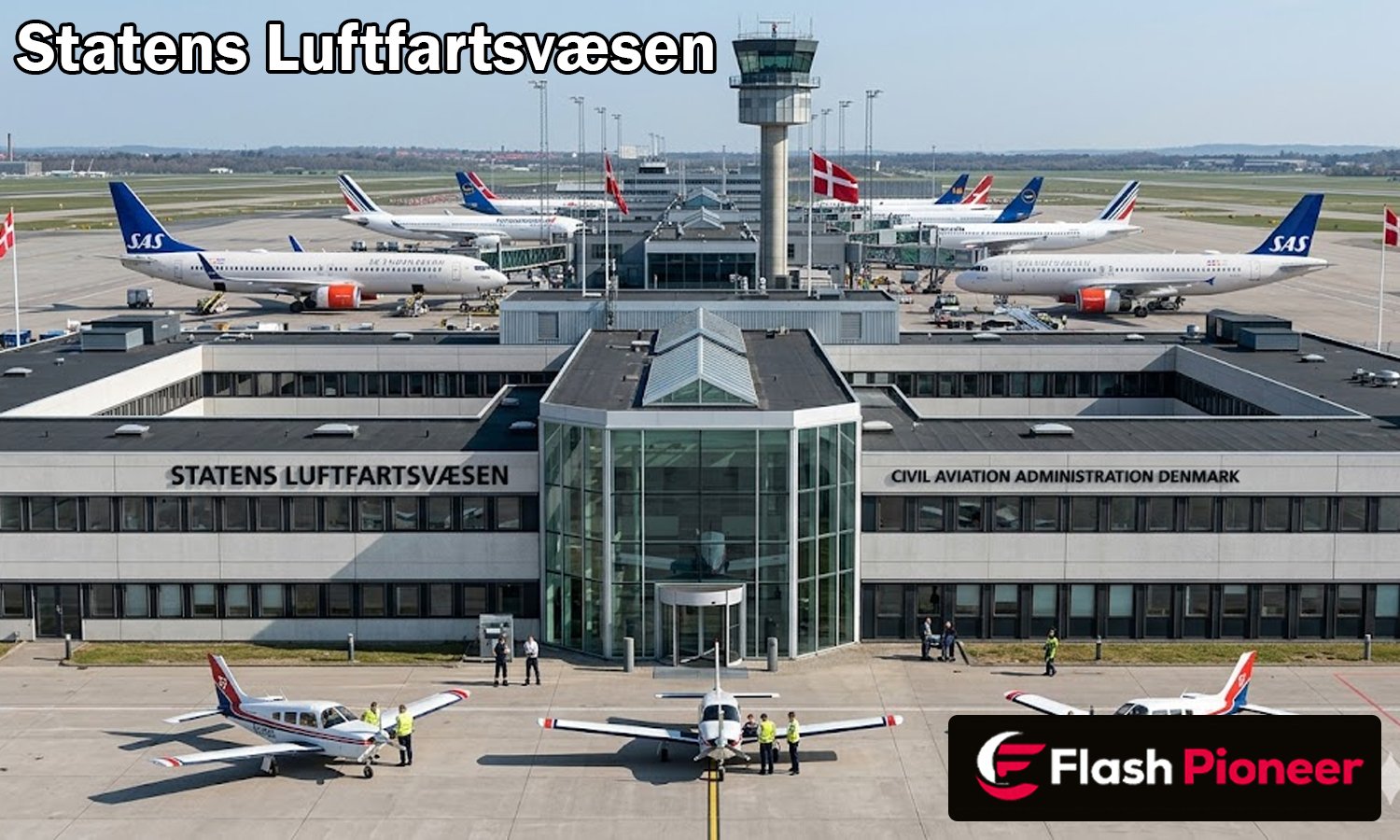
When you sit on a plane and it takes off smoothly from a Danish airport, you probably do not think about the rules and systems working behind the scenes. But for many decades, there was a special government body in Denmark that made sure every flight was safe, every pilot was trained, and every airport followed the right standards. That body was called Statens Luftfartsvæsen, or SLV for short.
What Was Statens Luftfartsvæsen?
Statens Luftfartsvæsen, also known in English as the Civil Aviation Administration Denmark (CAA-DK), was the official Danish government agency that managed all civil aviation in the country. This included not just mainland Denmark, but also the autonomous territories of Greenland and the Faroe Islands.
The agency’s head office was located in Copenhagen, and it operated under the Danish Ministry of Transport. Its job was to make sure that flying in Denmark was safe, organised, and followed both national and international rules.
Think of it like a watchdog for the sky. SLV checked that aircraft were in good shape, that pilots had the right skills, that airports were up to standard, and that airlines followed safety rules. It was similar in many ways to the FAA in the United States or the EASA (European Union Aviation Safety Agency) at the European level, but focused specifically on Denmark’s needs.
A Short History: How It All Began
Denmark’s aviation story goes back further than many people expect. The country had its first recorded flight in 1906, and by 1918, it had established its first commercial airline, Det Danske Luftfartselskab (DDL). As air travel grew, it became clear that the country needed a proper body to manage it.
The agency was originally set up in 1938 under the name Luftfartsdirektoratet, which roughly translates to the “Directorate of Aviation.” At that time, air travel was still a new and developing field. Denmark needed rules, trained professionals, and safety systems to keep up with the changes happening in aviation around the world.
After World War II, air travel expanded quickly. More planes were in the sky, more people were flying, and the industry was growing fast. The agency grew with it, taking on more responsibilities and a wider role in managing Denmark’s airspace.
By 1985, the organisation was officially renamed Statens Luftfartsvæsen, which reflected its more modern structure and wider authority. This name would stay with it until the agency merged into a larger body in 2010.
What Did SLV Actually Do?
SLV had many jobs, and all of them were connected to keeping Danish aviation safe and working well. Here is a look at its main responsibilities:
1. Safety Oversight
One of the most important roles of SLV was checking that everything in Danish aviation met safety standards. The agency had its own Aviation Inspection Service (Luftfartstilsynet) that conducted regular checks, audits, and inspections.
This meant looking at aircraft maintenance, checking that airlines followed procedures, and making sure that any safety issues were identified and fixed before they could cause problems. During events like volcanic ash crises, SLV made sure no aircraft was allowed to fly without a clear safety approval from the agency.
2. Pilot Licensing and Certification
SLV was responsible for testing and certifying pilots. If you wanted to fly a commercial aircraft in Denmark, you had to meet SLV’s standards first. This included written tests, practical exams, and regular re-checks to make sure pilots stayed up to date with the latest rules and techniques.
The agency also covered air traffic controllers and aviation maintenance staff, making sure everyone involved in aviation had the right training and qualifications.
3. Airport Regulation and Management
SLV approved airports, checked their infrastructure, and made sure they met national and international safety requirements. One interesting fact is that SLV did not just regulate airports. It also directly operated Bornholm Airport, making it one of the few aviation authorities in Europe that both regulated and ran an airport at the same time.
4. Air Traffic Management
The agency was involved in managing air navigation systems across Danish airspace. This included the tools and technology used to track and guide aircraft safely through the sky. Over time, some of these responsibilities were moved to Naviair, an independent air navigation service provider, as part of European airspace reforms.
5. Regulatory Framework and Aviation Laws
SLV created and published official aviation rules known as BL regulations (Bestemmelser for Civil Luftfart). These covered everything from large commercial airlines to small recreational gliders. For example, BL 9-9 governed non-commercial glider flight operations. These rules gave the industry clear guidelines to follow and helped reduce confusion and risk.
6. Environmental and Noise Control
As society became more aware of environmental issues, SLV also took on a role in managing the impact of aviation on communities and the environment. The agency set noise limits for airports and encouraged airlines and airports to adopt cleaner, more eco-friendly practices.
7. International Cooperation
Aviation does not stop at borders, and neither did SLV. The agency worked closely with international organisations like ICAO (International Civil Aviation Organization) and the EASA (European Union Aviation Safety Agency) to make sure Denmark’s rules matched global standards. This was important for international airlines flying into and out of Denmark, and it helped Denmark maintain a strong reputation in global aviation.
Why SLV Mattered for Passengers
You might wonder how all of this affected everyday travellers. The answer is: a lot.
Every time you boarded a flight departing from a Danish airport, SLV’s work was there in the background. The pilot flying your plane had been tested and licensed under SLV rules. The aircraft itself had passed SLV inspections. The airport you were in had been approved and checked by SLV. Even the air traffic controllers guiding the plane through the sky had been certified by the agency.
Because of SLV’s consistent and careful work, Denmark built a reputation as a country with a safe and reliable aviation system. Passengers could fly with confidence knowing that the systems around them had been checked and approved.
The Merger: What Happened in 2010?
By the early 2000s, many European countries were rethinking how they managed transport regulation. The idea was to bring together different types of transport oversight under one roof. This would reduce costs, improve coordination, and make government more efficient.
In Denmark, a decision was made to merge SLV with the Danish Transport Authority (Trafikstyrelsen). On 1 November 2010, Statens Luftfartsvæsen officially became part of Trafikstyrelsen. The new, combined authority took over all of SLV’s responsibilities.
Importantly, the merger did not mean aviation was forgotten. The former SLV team stayed at the same address in Copenhagen and continued doing the same work. The expertise and the regulatory systems built over decades were preserved. The only major change was the name and the wider organisational structure.
At the same time, air navigation responsibilities were moved to Naviair, an independent provider that now handles air traffic management in Denmark. This separation of regulatory and operational roles was seen as a best practice recommended across Europe.
SLV’s Legacy: Still Felt Today
Even though Statens Luftfartsvæsen no longer exists as its own body, its influence is very much alive.
The safety culture, the regulatory framework, and the inspection systems that SLV built over 70 years form the backbone of how Denmark manages aviation today. Trafikstyrelsen continues to use the rules, standards, and methods developed during SLV’s long history.
Denmark is now considered one of Europe’s safest and most well-regulated aviation countries. That reputation was largely built during SLV’s years of operation. The agency showed that careful, consistent, and internationally aligned regulation can create a system that people trust.
For aviation students, historians, and policy experts, SLV is an important case study in how a small country can build a world-class aviation safety system. Its story shows that good governance does not always make headlines, but it makes a real difference.
Challenges SLV Faced
SLV was not without its difficulties. Like many government agencies, it sometimes faced criticism for slow approval processes and difficulty keeping up with rapid technological changes in the industry.
Some aviation operators felt that regulations could be quicker to adapt when new aircraft technology or operational methods arrived. There were also challenges in aligning with the fast-moving regulations coming from the European Union, which required constant updates to Danish aviation law.
These challenges, however, led to positive lessons. They showed the importance of having separate bodies for regulation and operations, the value of digital tools in administrative processes, and the need for open communication between the authority and the wider aviation community.
Final Thoughts
Statens Luftfartsvæsen may no longer exist under that name, but its work shaped Danish aviation in a lasting and meaningful way. From its early days as Luftfartsdirektoratet in 1938 to its final merger in 2010, SLV spent more than seven decades building a safe, reliable, and internationally respected aviation system for Denmark.
It did not chase headlines. It worked quietly, consistently, and carefully. And because of that, millions of passengers flew safely through Danish skies for generations.
Today, that work continues under the Danish Transport Authority and Naviair. But the foundations they build on were laid by Statens Luftfartsvæsen. And that is a legacy worth knowing about.Share
Frequently Asked Questions (FAQs)
1. What does “Statens Luftfartsvæsen” mean in English? It translates to “Civil Aviation Administration Denmark” or CAA-DK. In simple terms, it was the Danish government’s official authority for managing civil aviation.
2. When was Statens Luftfartsvæsen founded? It was originally set up in 1938 under the name Luftfartsdirektoratet. It was officially renamed Statens Luftfartsvæsen in 1985.
3. What were SLV’s main jobs? SLV was responsible for aviation safety inspections, pilot and staff licensing, airport regulation, air traffic management, environmental controls, and creating aviation laws for Denmark.
4. Did SLV cover Greenland and the Faroe Islands too? Yes. SLV’s authority covered all civil aviation in Denmark, including the autonomous territories of Greenland and the Faroe Islands.
5. What happened to SLV in 2010? On 1 November 2010, SLV merged with the Danish Transport Authority (Trafikstyrelsen). Its work and staff continued under the new combined body.
6. Did SLV operate any airports? Yes. In addition to regulating airports, SLV also directly operated Bornholm Airport, which was unusual for a national aviation authority.
7. How did SLV compare to the FAA or EASA? SLV had a similar role to the FAA in the United States or EASA in Europe, but it focused specifically on Denmark’s national aviation system. It worked closely with both ICAO and EASA to align its rules with global standards.
8. Are SLV’s aviation rules still used today? Yes. The regulations and safety frameworks developed by SLV are still the foundation of Danish aviation regulation today, now managed by Trafikstyrelsen and Naviair.
9. Why did Denmark decide to merge SLV into a bigger authority? The main reasons were to improve efficiency, reduce bureaucracy, and better coordinate transport regulation across air, rail, and road sectors in line with European governance trends.
10. Why is SLV still important to learn about? SLV’s history shows how good aviation regulation is built over time through careful policy-making, international cooperation, and a strong safety culture. Its story is a useful example for anyone interested in how governments manage complex industries like aviation.
Stay connected for the latest news and updates on, Flash Pioneer

How UK Businesses With Offshore Interests Can Stay HMRC Compliant

Smart Online Shopping: 10 Ways to Save Money on Every Purchase

Who Is Royce Beckly Adkins? The Life and Story of Sinbad’s Son

What Is Snokido? A Simple Guide to Free Online Games and Popular Features

Gimkit Host Explained: How to Start and Run a Successful Live Game

Who Is Elizabeth Hatcher-Travis? The Life and Story of Randy Travis’ Ex-Wife

Who Is Talita Roberta Pereira? The Life, Family, and Story of Charles Oliveira’s Wife

i’m a skincare beginner. is nivea a good starting brand compared to garnier?

Who Is Isaiah Rahsaan Iverson? The Life and Story of Allen Iverson’s Son

Laura Marie Holtzmann: Simple Life Story of Joyce Meyer’s Daughter in Easy Words
How UK Businesses With Offshore Interests Can Stay HMRC Compliant
Smart Online Shopping: 10 Ways to Save Money on Every Purchase
Who Is Royce Beckly Adkins? The Life and Story of Sinbad’s Son
What Is Snokido? A Simple Guide to Free Online Games and Popular Features
Gimkit Host Explained: How to Start and Run a Successful Live Game
Who Is Elizabeth Hatcher-Travis? The Life and Story of Randy Travis’ Ex-Wife
Who Is Talita Roberta Pereira? The Life, Family, and Story of Charles Oliveira’s Wife
i’m a skincare beginner. is nivea a good starting brand compared to garnier?
Who Is Isaiah Rahsaan Iverson? The Life and Story of Allen Iverson’s Son
Laura Marie Holtzmann: Simple Life Story of Joyce Meyer’s Daughter in Easy Words
-

 Celebrity6 months ago
Who Is Vanna Bardot (Vanna Bardeau)? Easy Story of Her Life and Career
-
 Celebrity4 months ago
Who Is Talita Roberta Pereira? The Life, Family, and Story of Charles Oliveira’s Wife
-

 Food4 months ago
Best Arroz con Leche Boliviano Near Me: Where to Find This Creamy Bolivian Dessert Near You
-

 Tech5 months ago
Droven.io Tech Education Trends: Simple Guide to Modern Learning with AI and Digital Tools