
Blog
Recyclatanteil Explained: What Recycled Content Means and Why It Matters

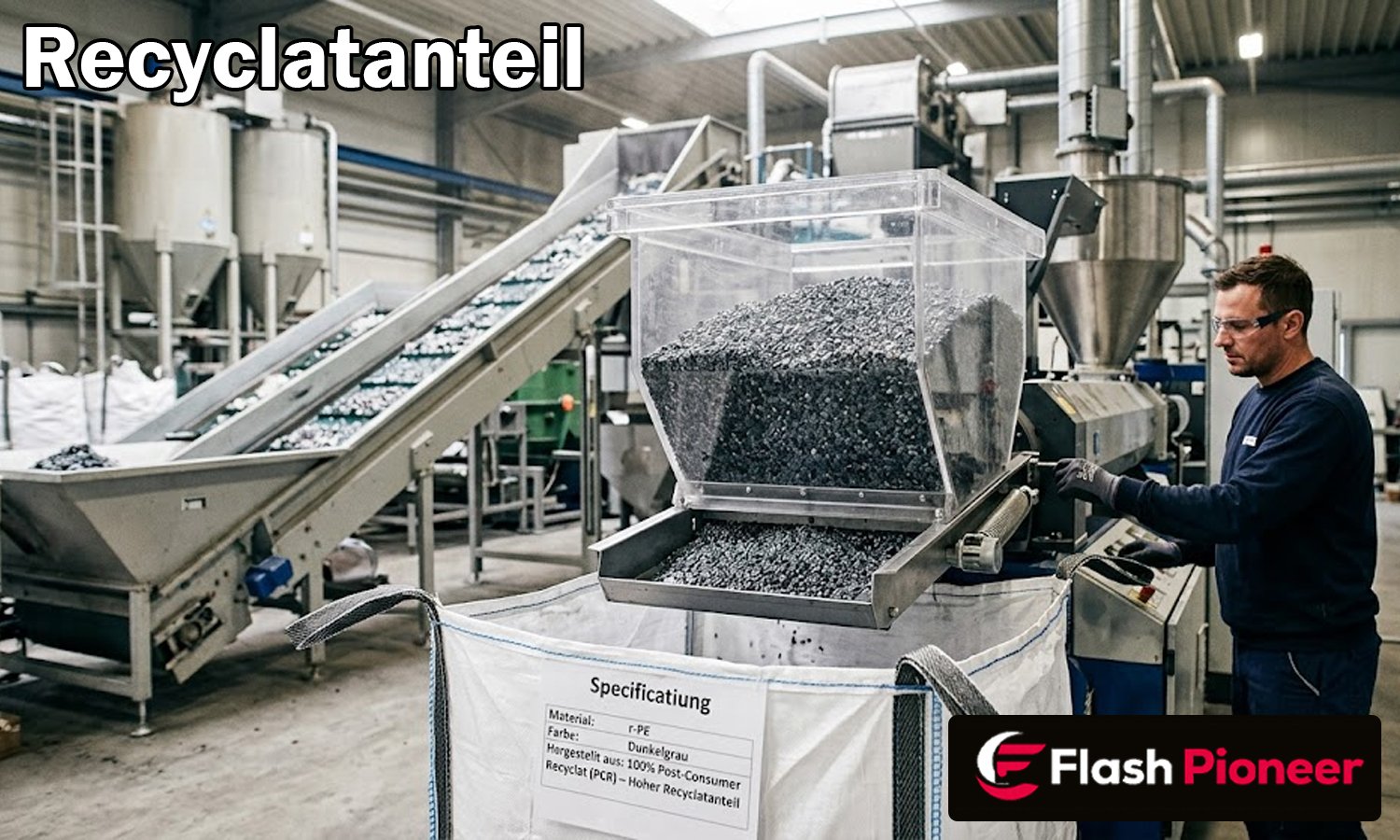
We live in a world where plastic bottles become fleece jackets, old newspapers turn into new ones, and aluminum cans are melted down and reused again and again. But how do we measure how much recycled material is actually inside a product? That is where the term Recyclatanteil comes in.
Recyclatanteil is a German word. It means “recycled content share” or “recycled material portion.” In simple terms, it tells you how much of a product is made from recycled materials. This number is usually shown as a percentage. For example, if a plastic bottle says it has a Recyclatanteil of 50%, that means half of the plastic used to make that bottle came from recycled sources.
This concept is becoming more and more important as countries, companies, and people try to reduce waste and protect the environment. Understanding Recyclatanteil helps you make better choices as a consumer and helps businesses become more responsible.
What Does Recyclatanteil Really Mean?
Think of it like this. When a factory makes a new product, it can use two types of materials:
- Virgin materials – These are completely new raw materials taken directly from nature. For example, fresh plastic made from oil, or brand-new aluminum dug from the ground.
- Recycled materials – These are materials that were already used before and have been collected, processed, and turned into something new again.
The Recyclatanteil tells you the share or portion of recycled materials in the final product. A higher Recyclatanteil means more recycled content and, in most cases, less impact on the environment.
For example:
- A cardboard box with 80% Recyclatanteil is mostly made from old paper or cardboard.
- A plastic food container with 30% Recyclatanteil uses some recycled plastic but still needs a lot of new plastic.
- A glass bottle with 70% Recyclatanteil was mostly made from broken or collected glass that was melted again.
Why Is Recyclatanteil Important?
You might wonder: does it really matter where the material comes from, as long as the product works? The answer is yes, and here is why.
1. It Saves Natural Resources
Every time a product uses recycled material instead of new material, it saves natural resources. Making new aluminum from raw bauxite ore, for example, uses about 95% more energy than recycling aluminum that already exists. Using recycled materials means we take less from the earth.
2. It Reduces Waste
Recycling keeps materials out of landfills and incinerators. When there is a strong market for recycled content, more materials get collected and processed instead of thrown away. A high Recyclatanteil in products creates demand for recycled materials, which encourages more recycling overall.
3. It Lowers Carbon Emissions
Producing materials from scratch often releases a lot of CO2. Recycled materials usually need less energy to process, so they produce fewer greenhouse gases. For companies working to reduce their carbon footprint, increasing their Recyclatanteil is one of the most practical steps they can take.
4. It Supports a Circular Economy
A circular economy is a system where materials are kept in use for as long as possible. Products are designed to be reused, repaired, or recycled. The Recyclatanteil is a direct measurement of how circular a product actually is. A product with a high Recyclatanteil has already completed one or more cycles in this loop.
How Is Recyclatanteil Measured?
Measuring how much recycled content is in a product is not always simple. There are different methods and standards, and the results can vary.
Mass Balance Method
One common approach is the mass balance method. This method tracks how much recycled material enters a production system and then assigns a portion of that recycled content to specific products. It is like a bank account: you know how much recycled material went in and how much product came out, and you calculate the share from there.
This method is often used in complex industries where materials from different sources are mixed together, like in chemical recycling of plastics.
Physical Recycled Content
Another method is to measure the actual physical content. This means the recycled material is literally mixed into the product. If a bottle contains 50% physically recycled plastic, you can test the material and verify this directly.
Physical recycled content is generally seen as more transparent and easier to verify. Consumers and certifiers often prefer this approach because it is more straightforward.
Certificates and Standards
Several international standards help define and verify Recyclatanteil claims:
- ISO 14021 covers environmental self-declarations, including recycled content claims.
- GRS (Global Recycled Standard) is used widely in textiles and other industries to certify recycled content.
- Blue Angel (Blauer Engel) is a German eco-label that often includes requirements for minimum Recyclatanteil levels.
- EU Ecodesign Regulation sets rules for products sold in Europe, including targets for recycled content.
These standards help make sure that when a company says their product has a certain Recyclatanteil, it is actually true and not just a marketing claim.
READ MORE : Delta Flight DL275 Diverted to LAX: Simple Guide to What Happened and Why It Landed Early
Recyclatanteil Across Different Industries
The idea of recycled content applies to many types of products and industries. Here is how it works in a few key areas.
Plastics
Plastics are one of the biggest areas where Recyclatanteil is discussed. The European Union has set targets for recycled content in plastic packaging. For example, under the EU Packaging and Packaging Waste Regulation, certain plastic packaging must contain a minimum percentage of recycled content by specific years.
There are two main types of recycled plastic:
- Post-consumer recycled (PCR) plastic – This comes from products that consumers already used and then threw away, like plastic bottles or containers collected from recycling bins.
- Post-industrial recycled plastic – This comes from leftover material during the manufacturing process, before it ever reaches a consumer.
Post-consumer recycled plastic is generally considered more valuable from an environmental standpoint because it deals with real-world waste.
Paper and Cardboard
Paper is one of the most recycled materials in the world. Many newspapers, cardboard boxes, and office papers already contain a high Recyclatanteil. Some products are made from 100% recycled paper. However, paper fibers get shorter and weaker with each recycling cycle, so eventually some new fiber needs to be added.
Metals
Metals like aluminum and steel have very high recycling rates. Steel used in construction often contains 90% or more recycled content. Aluminum cans can be recycled and back on shelves in as little as 60 days. Metals are excellent examples of circular economy principles in action.
Textiles
In the fashion industry, Recyclatanteil is growing in importance. Brands now produce clothing from recycled polyester (often made from old plastic bottles) or recycled cotton. Standards like the Global Recycled Standard (GRS) certify these claims so consumers can trust them.
Glass
Glass can be recycled endlessly without losing quality. Many glass bottles and jars already use a significant amount of recycled glass, called cullet. Increasing the Recyclatanteil in glass production also saves energy because cullet melts at a lower temperature than raw materials.
Challenges and Limitations
While Recyclatanteil sounds great in theory, there are real challenges that make it difficult in practice.
Quality Issues
Recycled materials are not always the same quality as virgin materials. Recycled plastic, for example, can be discolored, weaker, or contain impurities. This limits where it can be used. Food packaging, for instance, has strict safety rules about what materials can touch food directly.
Availability of Recycled Materials
There is not always enough recycled material available to meet demand. Building strong collection and sorting infrastructure takes time and money. In some regions, recycling rates are still quite low, meaning there is simply not enough recycled material to go around.
Greenwashing Concerns
Some companies make recycled content claims that are misleading or exaggerated. Using small amounts of recycled material and promoting it heavily in marketing can be a form of greenwashing, which means making a product look more eco-friendly than it really is. This is why independent standards and third-party certification are so important.
Higher Costs
In some cases, using recycled materials costs more than using virgin materials, especially when oil prices are low (which makes virgin plastic cheap). This creates an economic challenge for manufacturers trying to increase their Recyclatanteil.
What Can You Do as a Consumer?
You have more power than you might think. Here are some practical things you can do:
- Look for labels and certifications like the Blue Angel, GRS, or recycled content percentages on packaging.
- Choose products with higher Recyclatanteil when you have the option.
- Sort your waste correctly so that more materials can actually be recycled and turned into new products.
- Support brands that are transparent about their recycled content and have verified claims.
- Ask questions – write to companies and ask about their Recyclatanteil goals and progress.
Every purchase is a small vote for the kind of products and systems you want to see more of.
The Future of Recyclatanteil
Governments are starting to make Recyclatanteil a legal requirement, not just a nice-to-have. The European Union’s packaging regulations, for example, include mandatory minimum recycled content targets that will become stricter over time. This means companies will need to actively find ways to increase the recycled content in their products or face penalties.
Technology is also helping. Chemical recycling, for instance, can break down plastics into their basic chemical building blocks, allowing them to be turned into high-quality new plastic that was not possible with older mechanical recycling methods. This could dramatically expand what can be recycled and at what quality level.
Digital tracking tools and blockchain technology are also being explored to better trace and verify recycled content through complex supply chains, making claims more trustworthy.
Final Thoughts
Recyclatanteil is more than just a number on a label. It represents a shift in how we think about materials, waste, and responsibility. A higher Recyclatanteil means fewer raw materials extracted from the earth, less energy used, less waste sent to landfills, and a step closer to a truly circular economy.
Whether you are a consumer trying to make better choices, a business looking to reduce its environmental impact, or a policymaker setting targets, understanding Recyclatanteil is a useful and important tool. It turns the abstract idea of recycling into something concrete and measurable.
The more we understand and demand higher recycled content in the products around us, the more incentive manufacturers have to actually deliver it. And that is how real, lasting change happens.
Frequently Asked Questions (FAQ)
1. What does Recyclatanteil mean in English? Recyclatanteil is a German word that translates to “recycled content share” or “recycled material portion” in English. It refers to the percentage of recycled material used in making a product.
2. Is a higher Recyclatanteil always better? In most cases, yes. A higher Recyclatanteil means more recycled material was used, which usually saves energy and natural resources. However, quality and safety requirements sometimes limit how much recycled content can be used in certain products, especially food packaging.
3. How can I find out the Recyclatanteil of a product? Look for labels, certifications, or information on the product packaging. Some brands also publish this information on their websites. Certifications like the Blue Angel or Global Recycled Standard (GRS) can also indicate that a product has verified recycled content.
4. What is the difference between post-consumer and post-industrial recycled content? Post-consumer recycled content comes from products that consumers already used and disposed of, like plastic bottles from recycling bins. Post-industrial recycled content comes from leftover material during the manufacturing process. Post-consumer is generally seen as more environmentally valuable.
5. Can all materials have a Recyclatanteil? Most common materials including plastic, paper, glass, metal, and textiles can have recycled content. However, the percentage varies a lot depending on the material type, available recycling technology, and the product’s requirements.
6. Is recycled content the same as recyclable? No, these are different things. “Recycled content” (Recyclatanteil) means the material inside the product came from recycled sources. “Recyclable” means the product can be recycled after you are done using it. A product can be recyclable but contain no recycled content, or it can have high recycled content but be hard to recycle at the end of its life.
7. Are there legal requirements for Recyclatanteil in Europe? Yes, and they are growing. The EU Packaging and Packaging Waste Regulation includes mandatory minimum recycled content targets for plastic packaging. These targets will become stricter in the coming years, pushing manufacturers to use more recycled materials.
8. Does recycled content affect the quality of a product? It depends on the material and the recycling process. In some cases, recycled materials can be just as good as virgin materials. In others, like plastic, there can be some quality differences. Technology is improving, and chemical recycling is opening new possibilities for high-quality recycled content.
9. What is greenwashing in the context of Recyclatanteil? Greenwashing happens when a company exaggerates or misleads consumers about how eco-friendly a product is. For example, using a tiny amount of recycled material but promoting it heavily as “green” or “sustainable” without giving the actual percentage. Third-party certifications help prevent this.
10. How does Recyclatanteil connect to the circular economy? The circular economy is a system where materials stay in use as long as possible. Recyclatanteil is a direct way to measure how circular a product is. The more recycled content a product contains, the more it reflects circular economy principles, keeping materials in the loop instead of extracting new ones from nature.
Stay connected for the latest news and updates on, Flash Pioneer

How UK Businesses With Offshore Interests Can Stay HMRC Compliant

Smart Online Shopping: 10 Ways to Save Money on Every Purchase

Who Is Royce Beckly Adkins? The Life and Story of Sinbad’s Son

What Is Snokido? A Simple Guide to Free Online Games and Popular Features

Gimkit Host Explained: How to Start and Run a Successful Live Game

Who Is Elizabeth Hatcher-Travis? The Life and Story of Randy Travis’ Ex-Wife

Who Is Talita Roberta Pereira? The Life, Family, and Story of Charles Oliveira’s Wife

i’m a skincare beginner. is nivea a good starting brand compared to garnier?

Who Is Isaiah Rahsaan Iverson? The Life and Story of Allen Iverson’s Son

Laura Marie Holtzmann: Simple Life Story of Joyce Meyer’s Daughter in Easy Words
How UK Businesses With Offshore Interests Can Stay HMRC Compliant
Smart Online Shopping: 10 Ways to Save Money on Every Purchase
Who Is Royce Beckly Adkins? The Life and Story of Sinbad’s Son
What Is Snokido? A Simple Guide to Free Online Games and Popular Features
Gimkit Host Explained: How to Start and Run a Successful Live Game
Who Is Elizabeth Hatcher-Travis? The Life and Story of Randy Travis’ Ex-Wife
Who Is Talita Roberta Pereira? The Life, Family, and Story of Charles Oliveira’s Wife
i’m a skincare beginner. is nivea a good starting brand compared to garnier?
Who Is Isaiah Rahsaan Iverson? The Life and Story of Allen Iverson’s Son
Laura Marie Holtzmann: Simple Life Story of Joyce Meyer’s Daughter in Easy Words
-

 Celebrity6 months ago
Who Is Vanna Bardot (Vanna Bardeau)? Easy Story of Her Life and Career
-
 Celebrity4 months ago
Who Is Talita Roberta Pereira? The Life, Family, and Story of Charles Oliveira’s Wife
-

 Food4 months ago
Best Arroz con Leche Boliviano Near Me: Where to Find This Creamy Bolivian Dessert Near You
-

 Tech5 months ago
Droven.io Tech Education Trends: Simple Guide to Modern Learning with AI and Digital Tools