
Blog
Acne Skincare Guide for College Students: Is La Roche-Posay Better Than Neutrogena for Clear Skin?

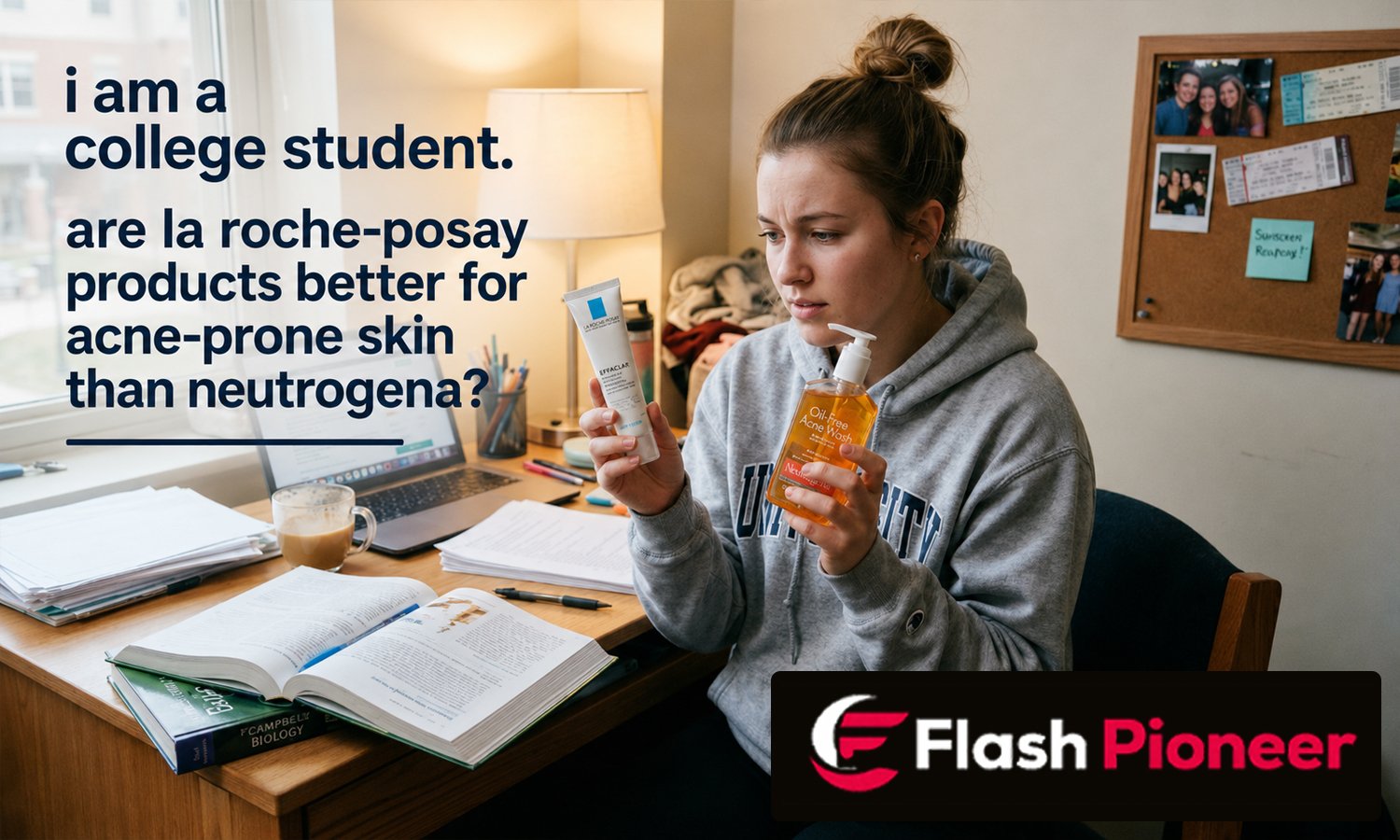
If you are a college student dealing with acne, you already know how frustrating it can be. You are studying hard, sleeping less, eating whatever is available, and then you wake up to new breakouts on your face. You want a simple solution that actually works without spending all your money.
Two brands come up again and again in skincare conversations: La Roche-Posay and Neutrogena. Both are recommended by dermatologists. Both target acne-prone skin. But which one is actually better for you?
This guide will walk you through everything you need to know so you can make a smart choice for your skin and your wallet.
Why Do College Students Get So Much Acne?
Before comparing products, it helps to understand why acne becomes such a big problem during college years.
When you are under stress, your body produces more cortisol, which is a stress hormone. This hormone tells your skin to make more oil. That extra oil mixes with dead skin cells and bacteria inside your pores. The result? Blocked pores and breakouts.
College life brings several acne triggers all at once:
- Stress from exams and deadlines raises hormone levels and increases oil production
- Poor sleep habits slow down the skin’s natural repair process
- Unhealthy eating with processed foods and sugar can increase inflammation
- New environments like dorms expose your skin to different water quality and pollution levels
- Forgetting a skincare routine because life just gets too busy
Knowing this helps you choose products that not only fight existing pimples but also help prevent new ones.
Who Are These Brands?
La Roche-Posay
La Roche-Posay is a French skincare brand that was founded in 1975. It was originally developed for people with sensitive and reactive skin. The brand is owned by L’Oreal and is widely sold in pharmacies around the world.
What makes La Roche-Posay different is its philosophy. The brand focuses on gentle formulas that protect the skin barrier while still treating skin concerns. Almost every product contains La Roche-Posay Thermal Spring Water, which is sourced from a natural spring in France and is rich in selenium, a natural antioxidant.
Dermatologists frequently recommend this brand, especially for patients who have tried other products and experienced irritation.
Neutrogena
Neutrogena is an American brand founded in 1930. It is one of the most recognized skincare names in the world and is widely available in drugstores, supermarkets, and online. The brand is also owned by Kenvue, formerly part of Johnson and Johnson.
Neutrogena’s strength is accessibility. Their products are easy to find, affordable, and backed by clinical research. The brand uses well-known acne-fighting ingredients and has recently launched new dermatologist-designed collections specifically for adult acne.
Key Ingredients: What Is Actually in These Products?
The real difference between any two skincare brands comes down to ingredients. Let us look at what each brand puts in its acne products.
La Roche-Posay Effaclar Line
The Effaclar range is La Roche-Posay’s main acne-fighting collection. Its key ingredients include:
Salicylic Acid (0.5% to 1.5%): This is a beta hydroxy acid (BHA) that goes inside pores and breaks down the oil and dead skin cells causing blockages. It is especially good for blackheads and whiteheads.
Lipo-Hydroxy Acid (LHA): This is a unique derivative of salicylic acid that the Effaclar range is known for. It works more slowly and precisely than regular salicylic acid, which makes it gentler but still effective at removing dead skin.
Niacinamide (Vitamin B3): This ingredient does several things at once. It helps fade post-acne marks, reduces redness, controls oil, and strengthens the skin barrier. Clinical data from La Roche-Posay shows that their Effaclar serum can reduce pimples by 45% in four weeks and improve post-acne marks by 49% in the same period.
La Roche-Posay Thermal Spring Water: Rich in selenium, this water soothes irritated skin and is a core ingredient in almost every product the brand makes.
Glycolic Acid: Found in the Effaclar serum, this AHA helps resurface the skin and improve texture over time.
Zinc PCA: Helps control excess oil production and supports healing.
Neutrogena Acne Products
Neutrogena uses a different but equally well-researched approach to fighting acne.
Salicylic Acid (2%): Neutrogena’s classic Rapid Clear line and many cleansers use 2% salicylic acid. This concentration is the maximum allowed in over-the-counter products in many countries and is effective for mild to moderate acne.
Benzoyl Peroxide (2.5% to 10%): This is where Neutrogena has traditionally been very strong. Benzoyl peroxide kills acne-causing bacteria directly beneath the skin surface. Research shows that applying 10% benzoyl peroxide daily can reduce bacteria by about 98% within two weeks. However, it can also cause dryness and irritation, especially at higher concentrations.
Adapalene (0.1%): Neutrogena also offers an adapalene gel, which is a retinoid and one of the most recommended ingredients for acne by dermatologists worldwide.
MicroClear Technology: This is a proprietary delivery system that Neutrogena uses in some of its cleansers to help active ingredients penetrate more deeply into pores.
BarrierCare Technology: Found in the newer Evenly Clear collection launched in February 2026, this technology helps maintain the skin moisture barrier while treating acne. It shows that Neutrogena is now paying more attention to skin barrier health, which was previously seen as a weakness of the brand.
Comparing the Two Brands Directly
Gentleness on Sensitive Skin
La Roche-Posay wins this category clearly. The brand was built around sensitive skin. Its formulas use minimal irritating ingredients and are tested under dermatological supervision. Products are almost always fragrance-free or very low in fragrance, and they avoid common irritants.
Neutrogena products, especially those with higher concentrations of benzoyl peroxide, can cause dryness, peeling, and redness. This does not mean they are bad products. It means they are more suitable for normal to oily skin that does not react easily.
If your skin gets red or dry after trying new products, La Roche-Posay is likely the better starting point.
Effectiveness Against Active Breakouts
This is where Neutrogena holds its own, especially for inflammatory acne, which includes the red, painful pimples filled with pus. Benzoyl peroxide is one of the most well-studied acne treatments in dermatology, and Neutrogena’s products using this ingredient can produce fast, visible results.
La Roche-Posay is also effective, but its approach is slower and more gradual. The Effaclar serum shows clear results in clinical studies, but you may need to wait four weeks to see significant improvement.
For students who want faster action on a major breakout before a presentation or exam, Neutrogena spot treatments with benzoyl peroxide may provide quicker visible results.
Skin Barrier Protection
La Roche-Posay is clearly better in this area. Protecting the skin barrier is a core part of the brand’s philosophy. Many acne products on the market destroy the skin barrier by being too harsh, which actually makes acne worse over time because damaged skin overproduces oil to compensate.
The Effaclar range includes ceramide-like ingredients called Procerad that help protect the skin against post-acne marks and barrier damage.
Neutrogena has been improving in this area with their newer BarrierCare technology, but the brand’s older products were known for being more stripping.
Post-Acne Mark Treatment
La Roche-Posay has a clear advantage here too. Niacinamide is included in key products specifically to fade dark marks and red spots left behind after pimples heal. Clinical results show a 49% improvement in post-acne marks after four weeks of using the Effaclar serum.
Neutrogena’s newer Evenly Clear collection also addresses post-acne marks using N-acetyl glucosamine and PHAs, so this gap is narrowing.
Price Point
Neutrogena is the more affordable choice by a significant margin. Most Neutrogena acne products cost between $8 and $20 in the United States. La Roche-Posay products typically cost between $15 and $40 for similar product types.
For a college student on a tight budget, this difference matters. A full Neutrogena routine can cost significantly less than an equivalent La Roche-Posay routine.
Availability
Both brands are widely available. Neutrogena is sold in nearly every drugstore, grocery store, and online retailer. La Roche-Posay is slightly less common in regular grocery stores but is easily found in pharmacies like CVS and Walgreens, as well as on Amazon and the brand’s own website.
Which Skin Type Should Use Which Brand?
This is the most practical question. The answer depends on your specific skin.
Choose La Roche-Posay if:
- Your skin is sensitive and gets red or irritated easily
- You have tried other acne products and they made your skin dry or flaky
- You are dealing with post-acne marks along with active breakouts
- You are willing to spend a little more for gentler formulas
- You have combination skin that is oily in some areas and dry in others
Choose Neutrogena if:
- Your skin is oily and does not react badly to strong ingredients
- You are on a tight budget and need affordable options
- You have mild to moderate acne without much sensitivity
- You want fast results and can tolerate some initial dryness
- You are dealing with inflammatory acne, meaning red bumps rather than blackheads
Consider using both if: Some dermatologists actually suggest mixing products from both brands. For example, using a gentle La Roche-Posay cleanser and moisturizer while using a Neutrogena spot treatment on specific pimples. This can balance effectiveness with gentleness.
Recommended Routines for College Students
La Roche-Posay Budget-Friendly Routine
Morning:
- Wash with Effaclar Foaming Gel Cleanser
- Apply Effaclar Duo+ or Effaclar Serum to problem areas
- Apply La Roche-Posay Toleriane Double Repair Moisturizer
- Apply SPF 30 or higher sunscreen
Evening:
- Wash again with Effaclar Foaming Gel Cleanser
- Apply Effaclar Serum to the whole face
- Apply a light non-comedogenic moisturizer
Approximate monthly cost: Around $30 to $50 depending on product sizes
Neutrogena Budget Routine
Morning:
- Wash with Neutrogena Oil-Free Acne Wash (2% salicylic acid)
- Apply Neutrogena Hydro Boost Water Gel Moisturizer
- Apply SPF 30 or higher sunscreen
Evening:
- Wash again with the same cleanser
- Apply a small amount of Neutrogena On-The-Spot Acne Treatment (benzoyl peroxide) to active pimples
- Apply moisturizer
Approximate monthly cost: Around $15 to $25
Common Skincare Mistakes College Students Make
Even the best products will not work if you make these common mistakes:
Over-washing the face: Washing more than twice a day strips the skin of its natural oils, which signals the skin to produce even more oil. Once in the morning and once at night is enough.
Skipping moisturizer: Many acne-prone students skip this step because they think moisturizer will make their skin oilier. This is not true. Skipping moisturizer damages the skin barrier and actually worsens breakouts over time. Look for non-comedogenic options, which means they will not clog pores.
Using too many products at once: Mixing multiple acne treatments on the same day, like benzoyl peroxide and salicylic acid and retinol all at once, will irritate and damage your skin. Start with one or two active ingredients and add more slowly if needed.
Touching your face constantly: Your hands carry bacteria and oil. Every time you touch your face during a long study session, you transfer that to your skin.
Not changing pillowcases often enough: Your pillowcase collects oil, dead skin, and bacteria every night. Changing it twice a week makes a real difference.
Stopping products too soon: Acne products take time. Most require two to four weeks of consistent use before you see clear results. Switching products every week because you do not see immediate improvement is one of the most common reasons skincare routines fail.
What Do Dermatologists Say?
Dermatologists generally recommend both brands but for different patient profiles. La Roche-Posay tends to come up more often when a patient has sensitive or reactive skin, or when previous products have caused irritation. A published clinical study from five teaching hospitals in Indonesia found that La Roche-Posay’s Effaclar Duo+ used alongside adapalene treatment improved acne outcomes compared to adapalene alone, and was well tolerated.
Neutrogena is often recommended for patients who need accessible, affordable options, especially when starting their first acne treatment routine. The brand’s newer Evenly Clear collection, which was co-designed with dermatologists and launched in 2026, shows the brand’s continued commitment to clinically supported formulations.
Both brands are considered drugstore-level options, which means they are appropriate for mild to moderate acne. Severe acne, including cystic acne or acne covering large areas of the face and body, usually requires a prescription treatment from a doctor.
Final Verdict: Which Brand Is Better?
There is no single correct answer because your skin is unique. But here is a simple way to think about it:
La Roche-Posay is better for sensitive, reactive skin. If your skin tends to get irritated easily, or if you are dealing with both active acne and post-acne marks, the Effaclar line offers gentler, barrier-friendly formulations that are clinically tested. You pay more, but the risk of making your skin worse is lower.
Neutrogena is better for oily, resilient skin on a budget. If your skin is not particularly sensitive and you need affordable products that fight bacteria and clear pores fast, Neutrogena delivers solid results. The brand’s newer collections are also improving in terms of gentleness.
For most college students, the honest recommendation is to start with Neutrogena if you are budget-conscious and your skin is not sensitive. If you find that your skin does not respond well, or if you experience a lot of dryness and irritation, switching to La Roche-Posay is a smart move.
And no matter which brand you choose, the basics matter most: wash your face twice daily, moisturize every day, use sunscreen in the morning, and give your products at least four weeks before judging whether they work.
Frequently Asked Questions
1. Is La Roche-Posay suitable for college students on a budget?
La Roche-Posay is more expensive than Neutrogena, but you do not need to buy every product from the range. Starting with just the Effaclar cleanser and a basic moisturizer keeps costs manageable. Many students use the cleanser and moisturizer from La Roche-Posay and skip the serum to save money.
2. Can I use La Roche-Posay and Neutrogena products together?
Yes, you can mix products from both brands. Many people use a gentle La Roche-Posay cleanser and moisturizer with a Neutrogena spot treatment for active pimples. The key is to avoid combining too many active ingredients like salicylic acid, benzoyl peroxide, and retinol all on the same day.
3. How long does it take to see results from either brand?
Most acne treatments take two to four weeks before you notice a clear improvement. Clinical studies for La Roche-Posay Effaclar show visible results in four weeks. Neutrogena benzoyl peroxide products may show faster bacterial reduction, sometimes within two weeks, but lasting results still take consistent use over time.
4. Which brand is better for acne scars and dark marks?
La Roche-Posay is better in this area. The Effaclar serum contains niacinamide and Procerad, which are specifically included to fade post-acne marks. Clinical results show a 49% improvement in post-acne marks after four weeks of use.
5. Is benzoyl peroxide safe for everyday use?
Benzoyl peroxide is safe for daily use for most people, but it can cause dryness and peeling, especially at higher concentrations like 10%. Starting with a lower concentration of 2.5% or 5% reduces irritation risk. Always follow with a moisturizer and use sunscreen in the morning.
6. Do I need to use sunscreen with these acne products?
Yes, especially with products containing salicylic acid, glycolic acid, or adapalene. These ingredients can make your skin more sensitive to the sun. Skipping sunscreen can lead to more dark spots and sun damage. An SPF 30 or higher applied every morning is enough.
7. Can I use these products if I have both oily and dry areas on my face?
Yes. Both brands offer products suited to combination skin. La Roche-Posay’s Effaclar range is particularly well designed for combination skin because it controls oil in the T-zone while not drying out drier areas. Applying spot treatments only to oily areas while moisturizing everywhere helps manage combination skin.
8. What is the difference between LHA in La Roche-Posay and regular salicylic acid?
Lipo-Hydroxy Acid (LHA) is a derivative of salicylic acid that works more slowly and targets the skin surface rather than penetrating as deeply. This makes it gentler and less likely to cause irritation while still exfoliating dead skin cells. It is one of the reasons the Effaclar range is suitable for sensitive skin types.
9. Is Neutrogena’s Evenly Clear collection worth trying?
Neutrogena’s Evenly Clear collection, launched in February 2026, is a new range co-designed with dermatologists. It focuses on treating adult acne while also addressing post-acne marks and maintaining the skin barrier. It is too early for long-term user reviews, but the ingredient list is well-designed and shows the brand is improving in areas where it was previously weaker.
10. What should I do if over-the-counter products from both brands are not working for me?
If you have tried consistent routines from either brand for six to eight weeks without improvement, it is time to see a dermatologist. Severe or cystic acne often needs prescription treatments like topical retinoids, antibiotics, or in some cases, oral medication. Over-the-counter products are designed for mild to moderate acne and have their limits.
Stay connected for the latest news and updates on, Flash Pioneer

How UK Businesses With Offshore Interests Can Stay HMRC Compliant

Smart Online Shopping: 10 Ways to Save Money on Every Purchase

Who Is Royce Beckly Adkins? The Life and Story of Sinbad’s Son

What Is Snokido? A Simple Guide to Free Online Games and Popular Features

Gimkit Host Explained: How to Start and Run a Successful Live Game

Who Is Elizabeth Hatcher-Travis? The Life and Story of Randy Travis’ Ex-Wife

Who Is Talita Roberta Pereira? The Life, Family, and Story of Charles Oliveira’s Wife

i’m a skincare beginner. is nivea a good starting brand compared to garnier?

Who Is Isaiah Rahsaan Iverson? The Life and Story of Allen Iverson’s Son

Laura Marie Holtzmann: Simple Life Story of Joyce Meyer’s Daughter in Easy Words
How UK Businesses With Offshore Interests Can Stay HMRC Compliant
Smart Online Shopping: 10 Ways to Save Money on Every Purchase
Who Is Royce Beckly Adkins? The Life and Story of Sinbad’s Son
What Is Snokido? A Simple Guide to Free Online Games and Popular Features
Gimkit Host Explained: How to Start and Run a Successful Live Game
Who Is Elizabeth Hatcher-Travis? The Life and Story of Randy Travis’ Ex-Wife
Who Is Talita Roberta Pereira? The Life, Family, and Story of Charles Oliveira’s Wife
i’m a skincare beginner. is nivea a good starting brand compared to garnier?
Who Is Isaiah Rahsaan Iverson? The Life and Story of Allen Iverson’s Son
Laura Marie Holtzmann: Simple Life Story of Joyce Meyer’s Daughter in Easy Words
-

 Celebrity5 months ago
Who Is Vanna Bardot (Vanna Bardeau)? Easy Story of Her Life and Career
-
 Celebrity3 months ago
Who Is Talita Roberta Pereira? The Life, Family, and Story of Charles Oliveira’s Wife
-

 Food4 months ago
Best Arroz con Leche Boliviano Near Me: Where to Find This Creamy Bolivian Dessert Near You
-

 Tech5 months ago
Droven.io Tech Education Trends: Simple Guide to Modern Learning with AI and Digital Tools