
Food
What Is Palentu? Simple Meaning, Food Origin, and Modern Uses Explained

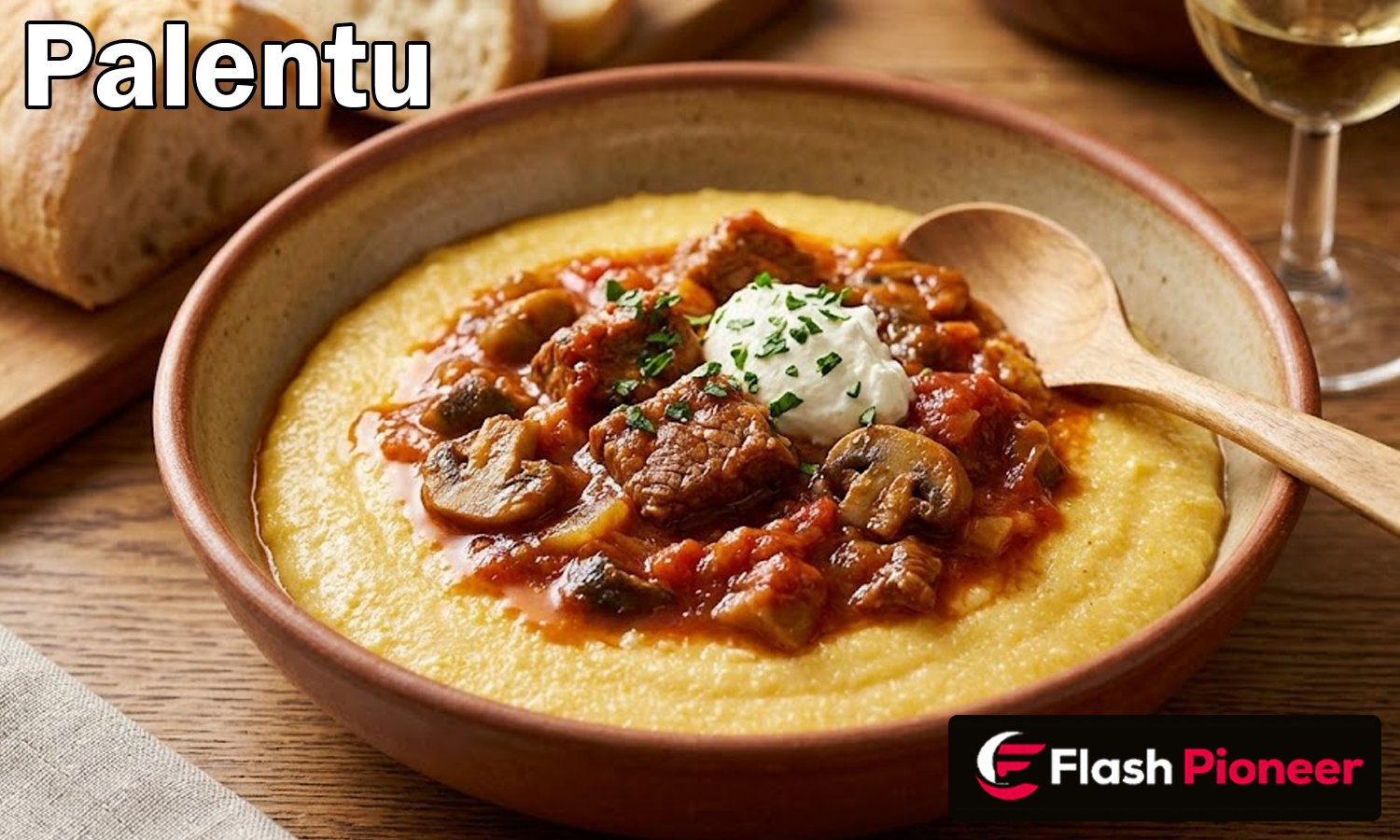
Have you ever heard the word palentu and wondered what it means? You are not alone. Many people come across this word online or in food discussions and feel a little confused. Is it a new food trend? Is it a different way to spell polenta? Or is it something totally different?
Do not worry. By the end of this article, you will know exactly what palentu is, where it comes from, how it is made, and why people still love it today. We will also talk about its place in modern life and answer the most common questions people have about it.
What Is Palentu?
In the simplest words, palentu is a traditional dish made from cornmeal. It is cooked slowly in water, milk, or broth until it becomes soft, thick, and creamy. You can eat it warm like a porridge, or let it cool down, cut it into slices, and then fry or grill it.
Palentu is closely related to the Italian dish called polenta. In fact, many food experts say they are almost the same dish. The difference is mostly in the name and the region. While polenta is the widely known Italian name, palentu is the version used in places like Croatia, Slovenia, and parts of the Balkans. In some Calabrian dialects of southern Italy, it is also called “palenta.”
So if you already know polenta, then you basically already know palentu. But palentu has its own story, its own cultural meaning, and its own place in history. That is what makes it worth learning about.
Where Did Palentu Come From?
The history of palentu goes back many centuries. To understand it properly, you need to know a little about how corn came to Europe.
Before the 1500s, corn did not exist in Europe at all. It was a crop that came from the Americas. After explorers brought it back to Europe in the 16th century, corn slowly became very popular, especially in areas like northern Italy, Romania, the Balkans, and parts of South America. Why? Because it was affordable, easy to grow, and filling. It could feed large families without costing much money.
In regions like Calabria in southern Italy, people began making a thick porridge from cornmeal. This dish was simple but very powerful in terms of energy and nutrition. Some food historians call it an ancient “power food” because it gave rural workers the strength they needed for long, hard days.
Before corn arrived, similar porridge dishes already existed in Europe. People used grains like barley, millet, spelt, and buckwheat to make thick, warm meals. When corn became available, it simply replaced those grains and the tradition continued with a new ingredient.
Over time, this cornmeal dish spread across different cultures, and each region gave it a slightly different name. In Italy, it became polenta. In Romania, a very similar dish is called mamaliga. In some Balkan countries, you might hear it called kacamak or zganci. And in Croatia and Slovenia, the same dish is known as palentu.
The name “polenta” itself has Latin roots. It originally meant “crushed and hulled barley,” which shows just how old this cooking tradition really is. Versions of the dish existed even before the 12th century, long before corn ever arrived in Europe.
Palentu vs Polenta: What Is the Real Difference?
This is one of the most common questions people ask. And the honest answer is: there is not a big difference.
Both palentu and polenta are made from cornmeal. Both are cooked slowly in liquid until they become thick and smooth. Both can be served soft or firm. Both taste mild and comforting, making them a perfect base for toppings like cheese, meat, vegetables, or sauces.
The main difference is the name and the region. Polenta is the more internationally known name, used widely in Italian cooking and recognized around the world. Palentu is a more localized or regional variation of the name, used mostly in the Balkans, Croatia, and Slovenia, and sometimes in southern Italian dialects.
One way to think about it is this: polenta is the “formal” name that you see on restaurant menus, while palentu is the name that feels more personal and traditional, the kind of name a grandmother in a small Croatian village might use.
Some people online mistakenly think palentu is a completely new or invented word, or even a spelling mistake. But that is not true. It is simply a natural result of how language changes across regions and cultures over hundreds of years.
How Is Palentu Made?
Making palentu is not complicated. That is one of the reasons people have loved it for so long. You do not need expensive ingredients or special cooking skills.
Here is the basic process:
What you need:
- Coarsely ground cornmeal
- Water, milk, or broth
- Salt
- Butter, olive oil, or cheese (optional, but recommended)
How to cook it:
First, bring your liquid to a boil in a large pot. Then slowly pour in the cornmeal while stirring all the time. This is important because constant stirring prevents lumps from forming and helps the dish become smooth and creamy.
Lower the heat and keep stirring regularly. Cook for around 30 to 45 minutes depending on how thick you want it. The longer it cooks, the richer and smoother it becomes. Near the end, you can stir in butter, olive oil, cheese, or herbs to add flavor.
Serve it warm for a soft, porridge-like dish. Or pour it into a flat dish or tray and let it cool. Once it firms up, you can slice it and fry or grill the pieces for a crispy outside and soft inside.
Traditional recipes from Calabria often included wild herbs like rosemary, fennel greens, and bay leaves for extra flavor. Some villages also added dried chili peppers for a little spice.
A few helpful tips:
- Use medium or coarse cornmeal for a better texture. Fine cornmeal can become gummy.
- Be patient. Rushing the cooking can leave palentu grainy or undercooked.
- Adding fat like butter or cheese makes a big difference in taste and richness.
- Experiment with different liquids. Broth gives it a savory depth, while milk makes it creamier.
Regional Variations of Palentu
One of the most interesting things about palentu is that almost every region has its own version. The basic idea stays the same, but the toppings, cooking methods, and even the texture can change depending on where you are.
In northern Italy, palentu (known as polenta there) is often served soft and rich, with generous amounts of butter and cheese. It is a comfort food for cold winter evenings and is frequently paired with hearty meat stews or mushroom sauces.
In Croatia and Slovenia, palentu is a beloved part of family life. It is often served with yogurt, sour cream, or fresh cheese. Some families have been making it the same way for generations, with their own small secret additions or techniques.
In Romania, the local version called mamaliga is sometimes made with sour cream and cheese baked on top, giving it a different but equally delicious result.
In South America, particularly in Brazil and Argentina, Italian immigrants brought the dish with them in the late 1800s. It adapted to local tastes and became a popular side dish. Brazilian bars even serve fried polenta slices as a snack.
In Calabria, southern Italy, palentu carries deep meaning as a symbol of resilience. The region had a difficult history of poverty and emigration, but its people survived thanks to simple, nutritious foods like palentu. Today, artisan restaurants in the area are bringing it back with a modern twist, while keeping the authentic taste.
Sweet versions also exist in some cultures, especially for breakfast. In these versions, the cornmeal is cooked in milk and finished with honey, sugar, or fresh fruit.
READ MORE : Caricatronchi Art Style: What It Means and Why It Is Trending Online
Nutritional Value of Palentu
Palentu is not just comforting and tasty. It also has real nutritional value, especially when prepared thoughtfully.
Because it is made from cornmeal, palentu is a good source of carbohydrates, which means it provides steady energy. This is why it was so popular among working-class communities and farmers throughout history. It kept people full and energized for long periods of time.
A plain serving of cooked palentu is naturally low in fat and moderate in calories. It also contains small amounts of fiber, protein, and minerals like magnesium and phosphorus. When you use buckwheat instead of cornmeal, the nutritional value increases further, adding antioxidants and a lower glycemic index.
Palentu is also naturally gluten-free when made from corn, which makes it a good option for people who cannot eat wheat or who follow a gluten-free diet.
Of course, the health value of palentu depends heavily on what you add to it. A version with butter, cream, and cheese will be much richer in calories than a simple version made with water and vegetables. When paired with lean protein, fresh vegetables, or legumes, palentu becomes a well-balanced and genuinely healthy meal.
Researchers who have studied traditional diets in southern Italy have found that communities eating these kinds of simple, plant-based meals often showed fewer cases of certain chronic diseases compared to more industrialized regions. Palentu was a regular part of those traditional eating habits.
Palentu in Modern Life
You might think that a dish made from such basic ingredients would slowly disappear as modern food culture changed. But the opposite has happened. Palentu is actually growing in popularity today.
There are several reasons for this.
First, there is a global movement toward plant-based and traditional diets. People are rediscovering old foods that are simple, affordable, and nutritious. Palentu fits perfectly into this trend.
Second, palentu is gluten-free, which makes it attractive to a growing number of people who avoid gluten for health reasons. As awareness of gluten sensitivity grows, more people are looking for alternatives to wheat-based foods, and palentu provides exactly that.
Third, social media has played a big role in bringing traditional foods back into the spotlight. Cooking videos, food blogs, and recipe sharing platforms have introduced palentu to younger generations who might never have heard of it otherwise.
Fourth, chefs and food historians are giving palentu a fresh look. What was once called “poor man’s food” is now being celebrated as a dish with deep cultural meaning and impressive versatility. Artisan restaurants are putting creative modern spins on it, using gourmet toppings and creative presentations.
Beyond just food, the word palentu has also started to appear in digital culture as a symbol of balance and simplicity. Some online communities use it to describe a way of doing things that is both organized and creative, something that feels just right. This modern interpretation builds on the food’s qualities of being flexible, humble, and satisfying.
Whether served at a family gathering, a countryside festival, or a trendy city restaurant, palentu continues to find its place at the table.
Why Palentu Still Matters
Food is not just about taste. It carries history, memory, and identity. Palentu is a perfect example of this.
For communities in the Balkans and Italy, palentu represents survival and family. It fed generations of people through difficult times. It brought families together around the table. It was the dish that grandmothers made on cold winter mornings and that children grew up eating.
Today, even in a world full of fast food and ready-made meals, palentu reminds us that the best food is often the simplest. A handful of cornmeal, some water, and a little patience can create something truly comforting and meaningful.
It also teaches us something important about food culture: a dish can change its name, travel across countries, and adapt to new tastes, but its heart stays the same. Palentu has done exactly that. It started as a basic grain porridge in ancient times, became cornmeal-based after the 16th century, spread across Europe and beyond, and is now finding a new audience in the modern world.
That kind of staying power is rare. And it is exactly what makes palentu worth knowing about.
Final Thoughts
Palentu is one of those foods that looks simple on the outside but carries a rich and meaningful story. It started as a basic survival food for rural communities and has grown into a beloved cultural dish that continues to feed and connect people across generations.
Whether you enjoy it soft and creamy from the pot, or crispy and golden from the grill, palentu is a dish that deserves a place in your kitchen. It is affordable, flexible, nutritious, and full of history.
If you have never tried making it, why not give it a go? With just cornmeal, water, and a little patience, you can bring a centuries-old tradition straight to your table.
Frequently Asked Questions About Palentu
1. What is palentu in simple words?
Palentu is a traditional dish made from cornmeal that is cooked slowly in water, milk, or broth until it becomes thick and smooth. It is similar to the Italian dish polenta and is popular in Italy, Croatia, Slovenia, and other parts of Europe.
2. Is palentu the same as polenta?
They are very similar. The main difference is the name and the region. Polenta is the well-known Italian name used internationally, while palentu is the regional name used in the Balkans and some southern Italian dialects. The ingredients and cooking process are nearly identical.
3. Where does palentu come from?
Palentu has its roots in rural Italy, particularly in the northern regions and in Calabria in the south. It also became an important part of the food culture in Croatia, Slovenia, Romania, and other Balkan countries. Its origins go back to the 16th century when corn arrived in Europe from the Americas.
4. What ingredients do you need to make palentu?
The basic ingredients are cornmeal, water or broth, and salt. Many people also add butter, olive oil, cheese, or herbs to improve the flavor. Some recipes use milk instead of water for a creamier result.
5. Is palentu gluten-free?
Yes, palentu made from cornmeal is naturally gluten-free. This makes it suitable for people with gluten intolerance or those who follow a gluten-free diet. Always check that your cornmeal is not processed in a facility that also handles wheat.
6. How long does it take to cook palentu?
Traditional palentu takes between 30 and 45 minutes to cook properly. The slow cooking process is what gives it the smooth, creamy texture. Rushing it can leave the dish grainy or undercooked.
7. How can you serve palentu?
Palentu is very flexible. You can serve it soft and warm like porridge, topped with cheese, vegetables, meat, or sauce. You can also let it cool and firm up, then slice it and fry, grill, or bake the pieces for a crispy texture. Sweet versions with honey or fruit exist too.
8. Is palentu healthy?
Palentu can be part of a healthy diet. It is a good source of carbohydrates for energy, naturally low in fat in its basic form, and contains some fiber and minerals. Its health value depends on what you add to it. A simple version with vegetables is much lighter than one topped with heavy cream and cheese.
9. Why is palentu becoming popular again?
Several reasons. The global trend toward plant-based, traditional, and gluten-free foods has brought palentu back into focus. Social media has also helped introduce it to new audiences. Additionally, chefs and food historians are celebrating it as a dish with real cultural and nutritional value.
10. What is the difference between palentu and mamaliga?
Both are very similar cornmeal dishes. Mamaliga is the Romanian version of the same basic dish. Palentu is the name used in Croatia, Slovenia, and some Italian dialects. They are all part of the same family of cornmeal porridge dishes that became popular across Europe after corn arrived from the Americas in the 16th century.
Stay connected for the latest news and updates on, Flash Pioneer

How UK Businesses With Offshore Interests Can Stay HMRC Compliant

Smart Online Shopping: 10 Ways to Save Money on Every Purchase

Who Is Royce Beckly Adkins? The Life and Story of Sinbad’s Son

What Is Snokido? A Simple Guide to Free Online Games and Popular Features

Gimkit Host Explained: How to Start and Run a Successful Live Game

Who Is Elizabeth Hatcher-Travis? The Life and Story of Randy Travis’ Ex-Wife

Who Is Talita Roberta Pereira? The Life, Family, and Story of Charles Oliveira’s Wife

i’m a skincare beginner. is nivea a good starting brand compared to garnier?

Who Is Isaiah Rahsaan Iverson? The Life and Story of Allen Iverson’s Son

Laura Marie Holtzmann: Simple Life Story of Joyce Meyer’s Daughter in Easy Words
How UK Businesses With Offshore Interests Can Stay HMRC Compliant
Smart Online Shopping: 10 Ways to Save Money on Every Purchase
Who Is Royce Beckly Adkins? The Life and Story of Sinbad’s Son
What Is Snokido? A Simple Guide to Free Online Games and Popular Features
Gimkit Host Explained: How to Start and Run a Successful Live Game
Who Is Elizabeth Hatcher-Travis? The Life and Story of Randy Travis’ Ex-Wife
Who Is Talita Roberta Pereira? The Life, Family, and Story of Charles Oliveira’s Wife
i’m a skincare beginner. is nivea a good starting brand compared to garnier?
Who Is Isaiah Rahsaan Iverson? The Life and Story of Allen Iverson’s Son
Laura Marie Holtzmann: Simple Life Story of Joyce Meyer’s Daughter in Easy Words
-

 Celebrity6 months ago
Who Is Vanna Bardot (Vanna Bardeau)? Easy Story of Her Life and Career
-
 Celebrity4 months ago
Who Is Talita Roberta Pereira? The Life, Family, and Story of Charles Oliveira’s Wife
-
 Food4 months ago
Best Arroz con Leche Boliviano Near Me: Where to Find This Creamy Bolivian Dessert Near You
-

 Tech5 months ago
Droven.io Tech Education Trends: Simple Guide to Modern Learning with AI and Digital Tools