
Blog
Babybelletje Meaning Explained: What This Cute Cheese Word Really Means and Why People Use It

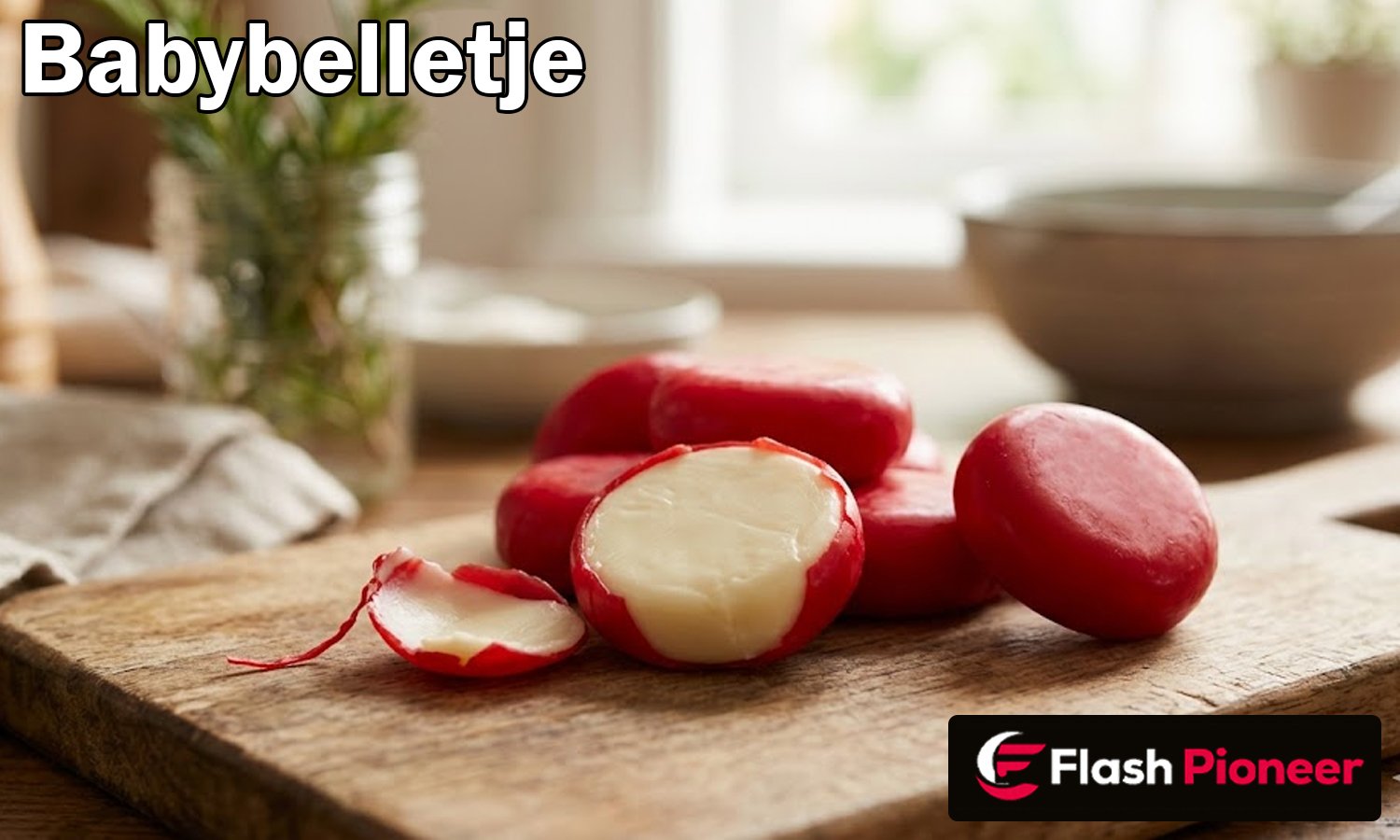
Have you ever heard the word babybelletje and wondered what it means? Maybe you saw it online, or someone used it in a funny way. At first, it looks like a long and strange word. But once you understand it, you will find it quite charming and easy to remember.
What Is a Babybelletje?
A babybelletje is the Dutch word for a small round piece of cheese that is covered in red wax. You probably know this cheese. It is called Babybel in most countries. The little round cheese that comes in a net bag and has a red wax coating around it.
In Dutch, the suffix “-je” is added to words to make them smaller or cuter. This is called a diminutive. So, “Babybel” becomes “Babybelletje” in Dutch, which means “a little Babybel” or “a tiny Babybel cheese.”
The word is used in the Netherlands and Belgium, where Dutch is spoken. But it has also become popular in online spaces, especially in funny posts, memes, and casual conversations.
The Origin of Babybel Cheese
To understand babybelletje better, we first need to know about the cheese itself.
Babybel is a brand of cheese that was created in France in 1952 by the Bel Group, a French dairy company. The cheese is made from cow’s milk and is semi-hard. It has a mild and creamy taste, which makes it popular with both children and adults.
The most special thing about Babybel is its red wax coating. This wax keeps the cheese fresh and makes it easy to carry without a package. You just peel off the wax and eat the cheese inside. It is very simple and practical.
The cheese became popular in schools and offices because it is easy to take with you as a snack. Over time, Babybel became famous all over the world.
In Dutch-speaking countries, people started calling it babybelletje in everyday speech. It felt more natural and friendly to add the Dutch diminutive ending to the name.
How the Dutch Diminutive Works
If you are not familiar with the Dutch language, let us take a small moment to explain the diminutive.
In Dutch, people often add “-je,” “-tje,” or “-pje” to the end of a word to make it smaller, cuter, or more affectionate. For example:
- Hond (dog) becomes hondje (little dog or puppy)
- Cake becomes cakeje (a small cake)
- Bal (ball) becomes balletje (little ball)
So when the Dutch say babybelletje, they are saying: “a little baby Babybel.” It sounds very sweet and makes the cheese seem even more cute and small.
This is a big part of Dutch culture. Dutch people use diminutives all the time in everyday speech. It adds warmth and friendliness to the language.
Why People Love Saying Babybelletje
There is something very fun about saying the word babybelletje. It sounds soft, round, and cheerful. Even if you do not speak Dutch, you can probably feel that this is a happy-sounding word.
Here are a few reasons why people enjoy using it:
1. It sounds cute and fun The word has a playful sound. When you say it out loud, it almost sounds like the cheese itself: small, round, and bouncy.
2. It is a mouthful For people who do not speak Dutch, babybelletje is a challenge to say correctly. This makes it a fun word to practice. Many people share videos or posts online where they try to say it properly.
3. It became a meme and internet joke On Dutch social media, babybelletje has been used in jokes, memes, and funny conversations. People use it to describe something small and round, not just the cheese. For example, someone might call a small round object a babybelletje as a joke.
4. It feels more personal than “Babybel” Saying babybelletje instead of Babybel makes it feel more personal and casual. It is like giving the cheese a little nickname.
Babybelletje in Dutch Culture
In the Netherlands and Belgium, small snacks and food items are very much a part of daily life. Cheese is especially important in Dutch culture. The Netherlands is one of the largest exporters of cheese in the world. Gouda, Edam, and Leiden are all famous Dutch cheeses.
So it makes sense that Dutch people would give a cute little nickname to a small cheese snack. Food is a big part of social life, and language often reflects that warmth.
In Dutch schools, children often bring a babybelletje in their lunch box. It is considered a healthy and convenient snack. Parents like it because it is easy to pack and does not make a mess. Children like it because of the fun red wax they get to peel off.
The word babybelletje is used casually in homes, schools, and workplaces. It is not a formal word at all. It is just a friendly, everyday way of talking about this small cheese snack.
How to Pronounce Babybelletje
Okay, let us be honest. This word is not easy to pronounce if you are not used to Dutch sounds. But let us try.
The word breaks down like this:
Ba – by – bel – le – tje
- Ba sounds like “bah”
- by sounds like “bay”
- bel sounds like “bell”
- le sounds like “luh”
- tje sounds like “chuh” (this is the tricky part)
So it sounds something like: “Bah-bay-bell-uh-chuh”
The “-tje” ending is a classic Dutch sound that many non-Dutch speakers find difficult. But once you practice it, it becomes easier and really fun to say.
Many language learners use babybelletje as a fun Dutch word to practice. It is challenging but rewarding when you finally get it right.
Babybelletje Beyond the Cheese
While babybelletje originally refers to the small Babybel cheese, the word has taken on a life of its own in Dutch internet culture.
People sometimes use it to describe anything that is:
- Small and round like a ball or a pebble
- Cute and tiny like a small animal or a miniature object
- Something that brings comfort or nostalgia from childhood
For example, someone might post a photo of a small round stone on Instagram and write: “Look at this little babybelletje I found at the beach.” This use is playful and not meant to be taken literally.
This kind of creative word use shows how language grows and changes. A simple food word can become a playful way to describe the world around you.
Nutritional Value of a Babybelletje
Since we are talking about this cheese, it is also worth mentioning that a babybelletje is actually a fairly healthy snack.
Each small round Babybel cheese (about 20 grams) contains:
- Around 60 to 70 calories
- About 4 to 5 grams of protein
- A good amount of calcium, which is important for bones and teeth
- No sugar and very low carbohydrates
This makes it a popular choice for people who want a quick and healthy snack. It is especially recommended for children because of the calcium content and the fact that it does not need to be refrigerated for short periods.
Many dietitians and nutritionists recommend it as a good snack option, especially for school-age children.
Fun Facts About Babybelletje
Here are some interesting facts that you might not know:
- Over 9 billion Babybel cheeses are sold every year worldwide.
- The red wax coating is 100% natural and safe, though you are not supposed to eat it.
- The wax can actually be molded like clay after you remove it. Many children (and adults) enjoy shaping it into little figures.
- Babybel comes in different varieties including gouda, mozzarella, cheddar, and white cheddar.
- The cheese was one of the first in the world to be sold with its own natural wax protection, which was a big innovation at the time.
Why People Still Talk About Babybelletje Today
Even in a world full of snack options, the babybelletje remains popular. Part of the reason is nostalgia. Many adults today grew up eating these little cheeses as children. The sight of a red wax ball in a net bag brings back happy memories of school lunches and family trips.
Another reason is that the word itself has become part of digital culture. Dutch speakers use it online in a warm and funny way. It shows how food words can connect people and bring smiles.
For non-Dutch speakers, the word is often discovered through social media, language learning apps, or travel in the Netherlands. Once you learn it, it is hard to forget.
Conclusion
The word babybelletje is more than just a name for a small cheese. It is a window into Dutch language and culture. It shows how Dutch people use diminutives to make language feel warm and personal. It also shows how a simple everyday word can grow into something fun and widely loved.
Whether you are eating a babybelletje for a snack, trying to pronounce it for the first time, or using it as a playful word to describe something small and round, this word brings a little joy wherever it goes.
Next time you see that small red wax ball in the store, you will know exactly what to call it: a babybelletje.
10 Frequently Asked Questions About Babybelletje
1. What does babybelletje mean in English? Babybelletje is a Dutch word that means “a little Babybel.” It refers to the small round Babybel cheese that is covered in red wax. The “-je” ending in Dutch makes the word smaller and cuter.
2. Is babybelletje a real Dutch word? Yes, it is a real and commonly used Dutch word. Dutch people use it in everyday speech to refer to the small Babybel cheese snack. It follows the normal Dutch grammar rule of adding a diminutive suffix to a word.
3. How do you pronounce babybelletje? It is pronounced roughly as “Bah-bay-bell-uh-chuh.” The hardest part is the “-tje” ending, which sounds like “chuh” in Dutch. It takes a little practice, but it is fun to say once you get it right.
4. Where does the Babybel cheese come from? Babybel cheese was created in France in 1952 by the Bel Group, a French dairy company. It became popular around the world and is now sold in over 100 countries.
5. Why do Dutch people use diminutives like “-je”? Diminutives are a very common part of the Dutch language. Dutch people add “-je,” “-tje,” or “-pje” to words to make them sound smaller, cuter, or more friendly. It is a natural part of everyday Dutch speech.
6. Is the red wax on a babybelletje safe to touch? Yes, the red wax is completely safe to touch and handle. However, it is not meant to be eaten. Most people peel it off and sometimes shape it into fun figures because it is soft and easy to mold.
7. Is a babybelletje a healthy snack? Yes, it is considered a fairly healthy snack. Each piece has around 60 to 70 calories, good protein, and a useful amount of calcium. It has no sugar and is low in carbohydrates, making it a good choice for children and adults.
8. Why has babybelletje become popular online? The word has become popular on Dutch social media because it is fun to say and sounds very cute. People use it in memes, jokes, and playful posts. Non-Dutch speakers also enjoy it as a funny and challenging word to learn.
9. Can babybelletje be used to describe things other than cheese? Yes, in informal and playful speech, Dutch people sometimes use babybelletje to describe anything small and round. It is a fun and creative use of the word, though not the original meaning.
10. How many Babybel cheeses are sold each year? More than 9 billion Babybel cheeses are sold every year around the world. It is one of the most popular cheese snacks globally and is especially loved by children and adults who want a quick, easy, and healthy snack.
Stay connected for the latest news and updates on, Flash Pioneer

How UK Businesses With Offshore Interests Can Stay HMRC Compliant

Smart Online Shopping: 10 Ways to Save Money on Every Purchase

Who Is Royce Beckly Adkins? The Life and Story of Sinbad’s Son

What Is Snokido? A Simple Guide to Free Online Games and Popular Features

Gimkit Host Explained: How to Start and Run a Successful Live Game

Who Is Elizabeth Hatcher-Travis? The Life and Story of Randy Travis’ Ex-Wife

Who Is Talita Roberta Pereira? The Life, Family, and Story of Charles Oliveira’s Wife

i’m a skincare beginner. is nivea a good starting brand compared to garnier?

Who Is Isaiah Rahsaan Iverson? The Life and Story of Allen Iverson’s Son

Laura Marie Holtzmann: Simple Life Story of Joyce Meyer’s Daughter in Easy Words
How UK Businesses With Offshore Interests Can Stay HMRC Compliant
Smart Online Shopping: 10 Ways to Save Money on Every Purchase
Who Is Royce Beckly Adkins? The Life and Story of Sinbad’s Son
What Is Snokido? A Simple Guide to Free Online Games and Popular Features
Gimkit Host Explained: How to Start and Run a Successful Live Game
Who Is Elizabeth Hatcher-Travis? The Life and Story of Randy Travis’ Ex-Wife
Who Is Talita Roberta Pereira? The Life, Family, and Story of Charles Oliveira’s Wife
i’m a skincare beginner. is nivea a good starting brand compared to garnier?
Who Is Isaiah Rahsaan Iverson? The Life and Story of Allen Iverson’s Son
Laura Marie Holtzmann: Simple Life Story of Joyce Meyer’s Daughter in Easy Words
-

 Celebrity6 months ago
Who Is Vanna Bardot (Vanna Bardeau)? Easy Story of Her Life and Career
-
 Celebrity4 months ago
Who Is Talita Roberta Pereira? The Life, Family, and Story of Charles Oliveira’s Wife
-

 Food4 months ago
Best Arroz con Leche Boliviano Near Me: Where to Find This Creamy Bolivian Dessert Near You
-

 Tech5 months ago
Droven.io Tech Education Trends: Simple Guide to Modern Learning with AI and Digital Tools